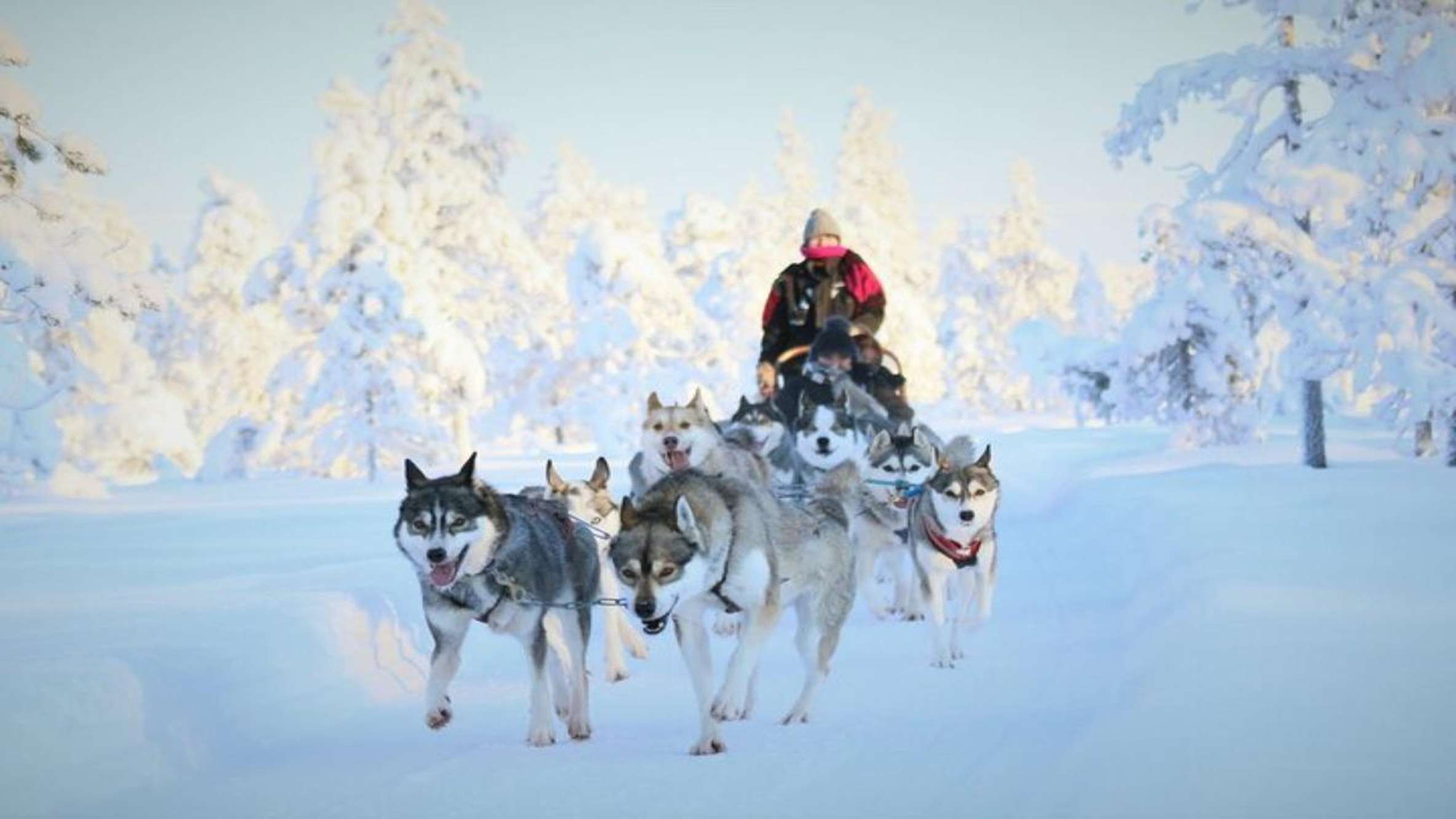
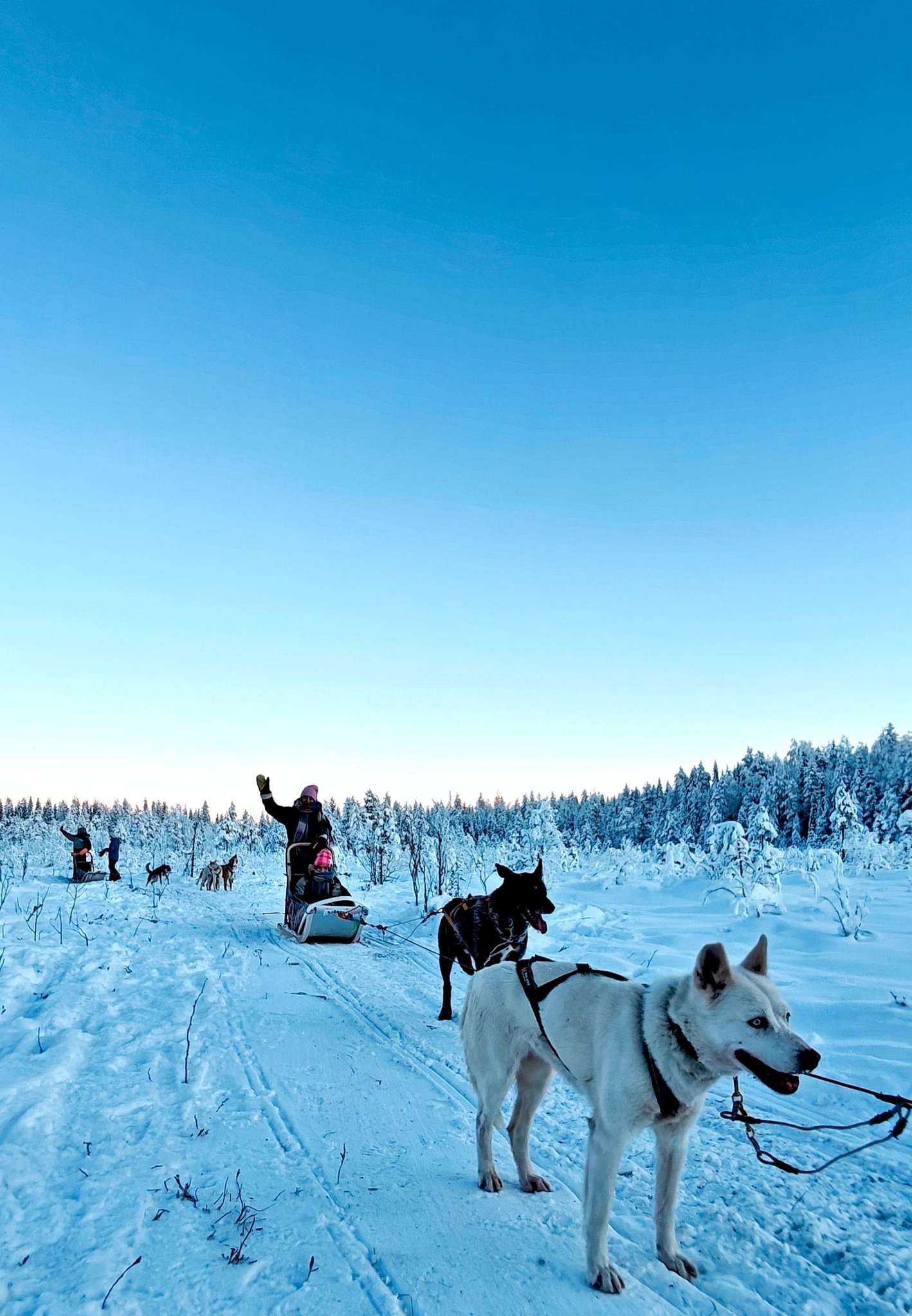
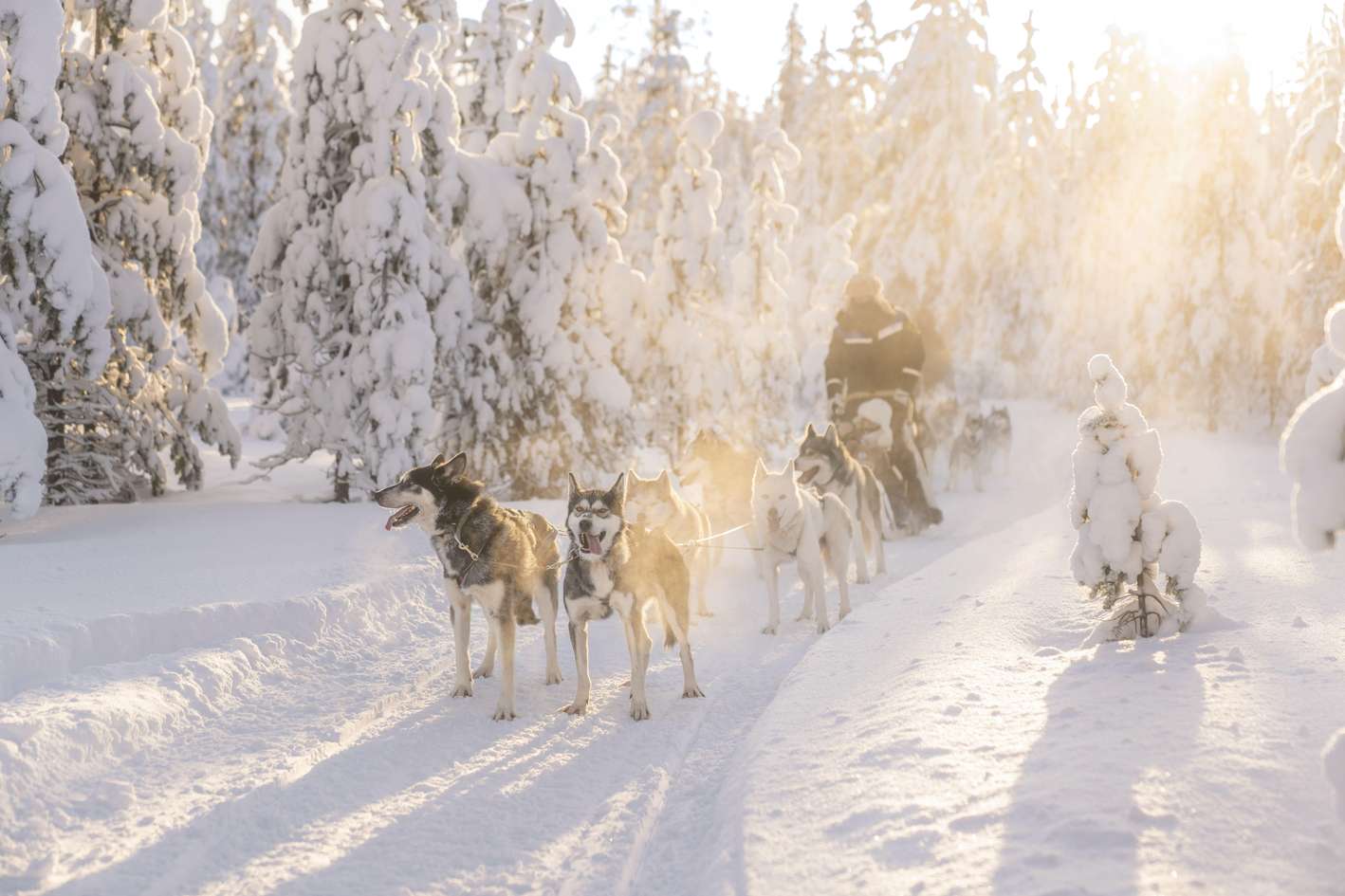
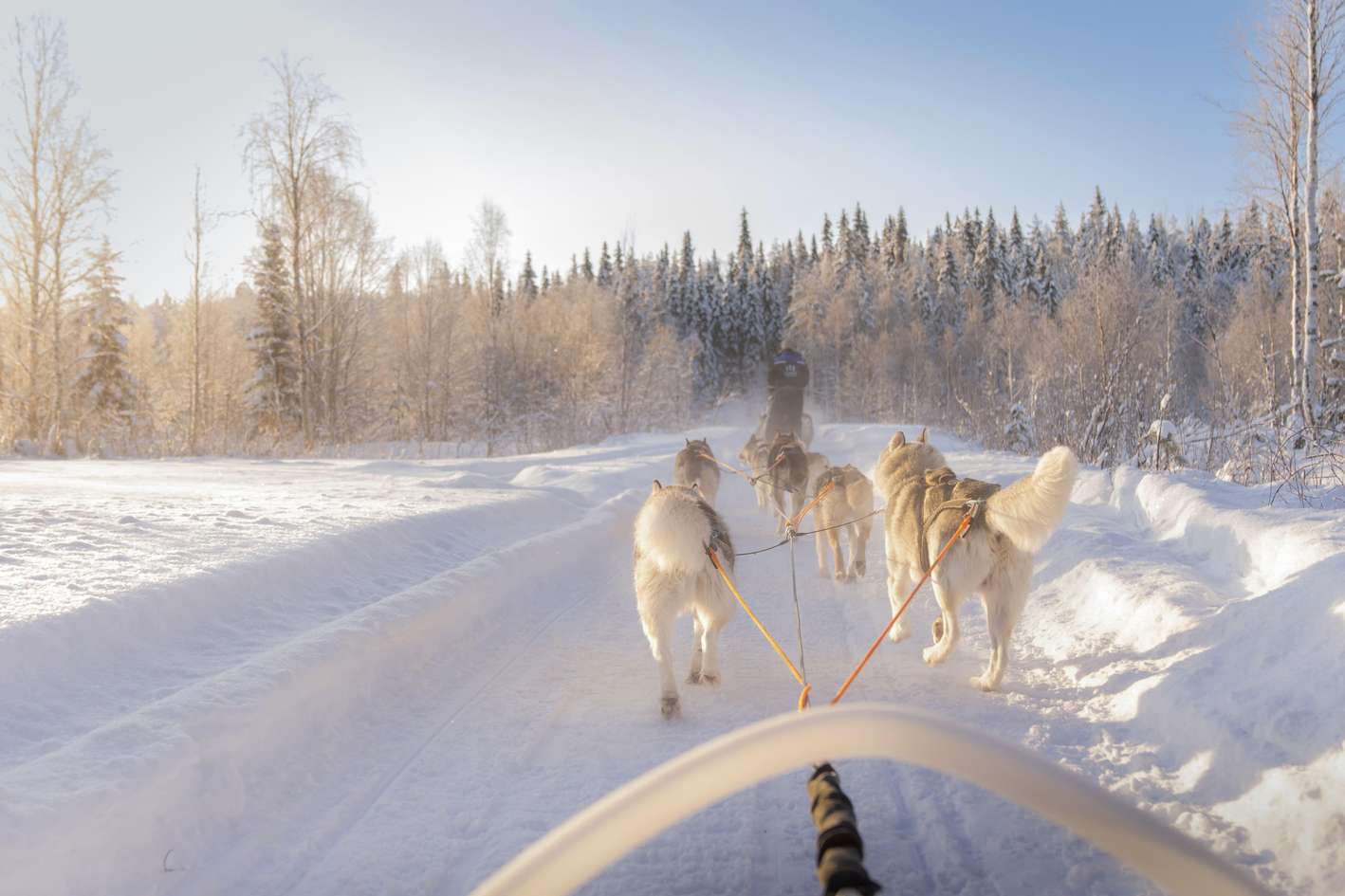
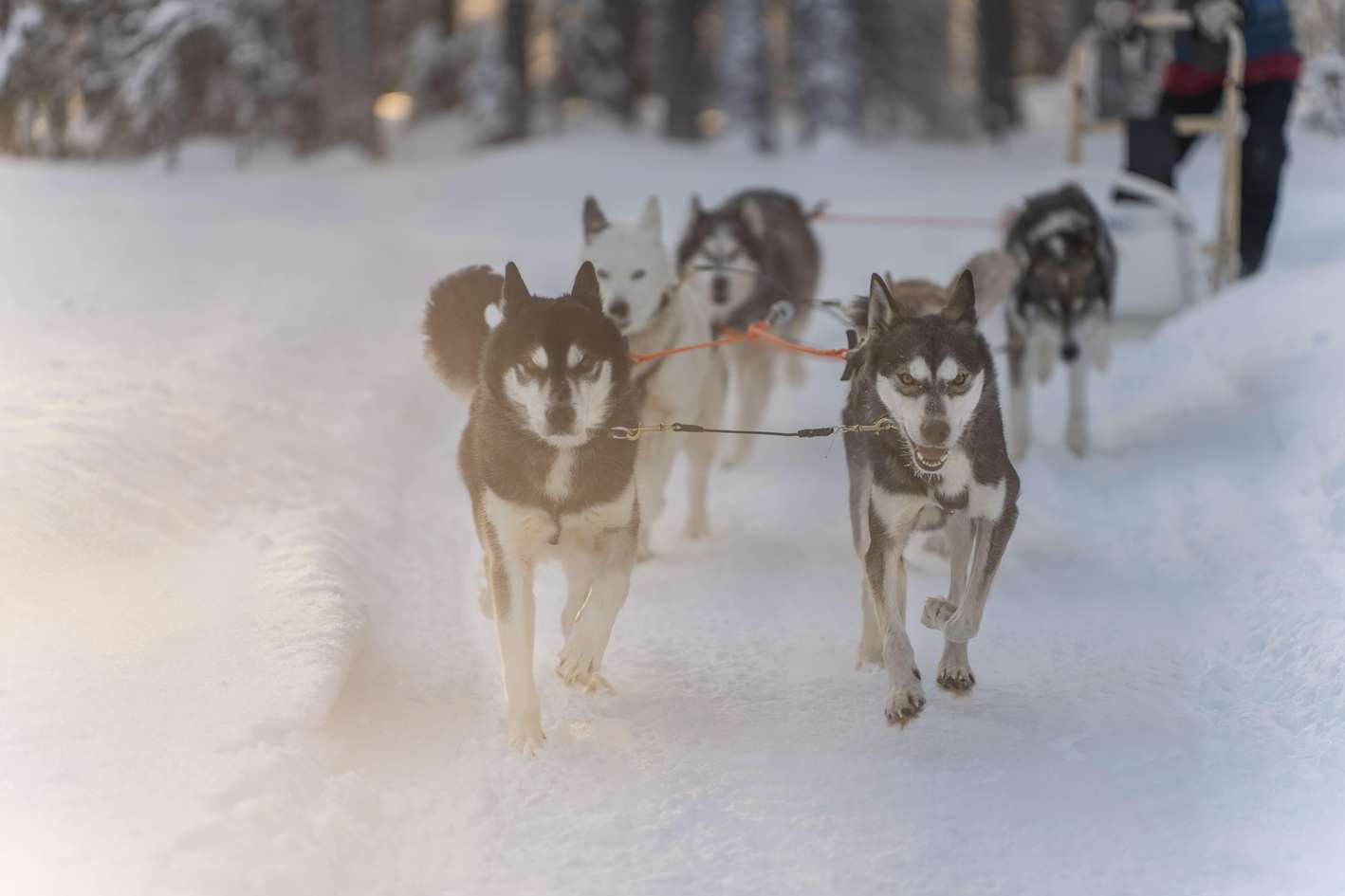
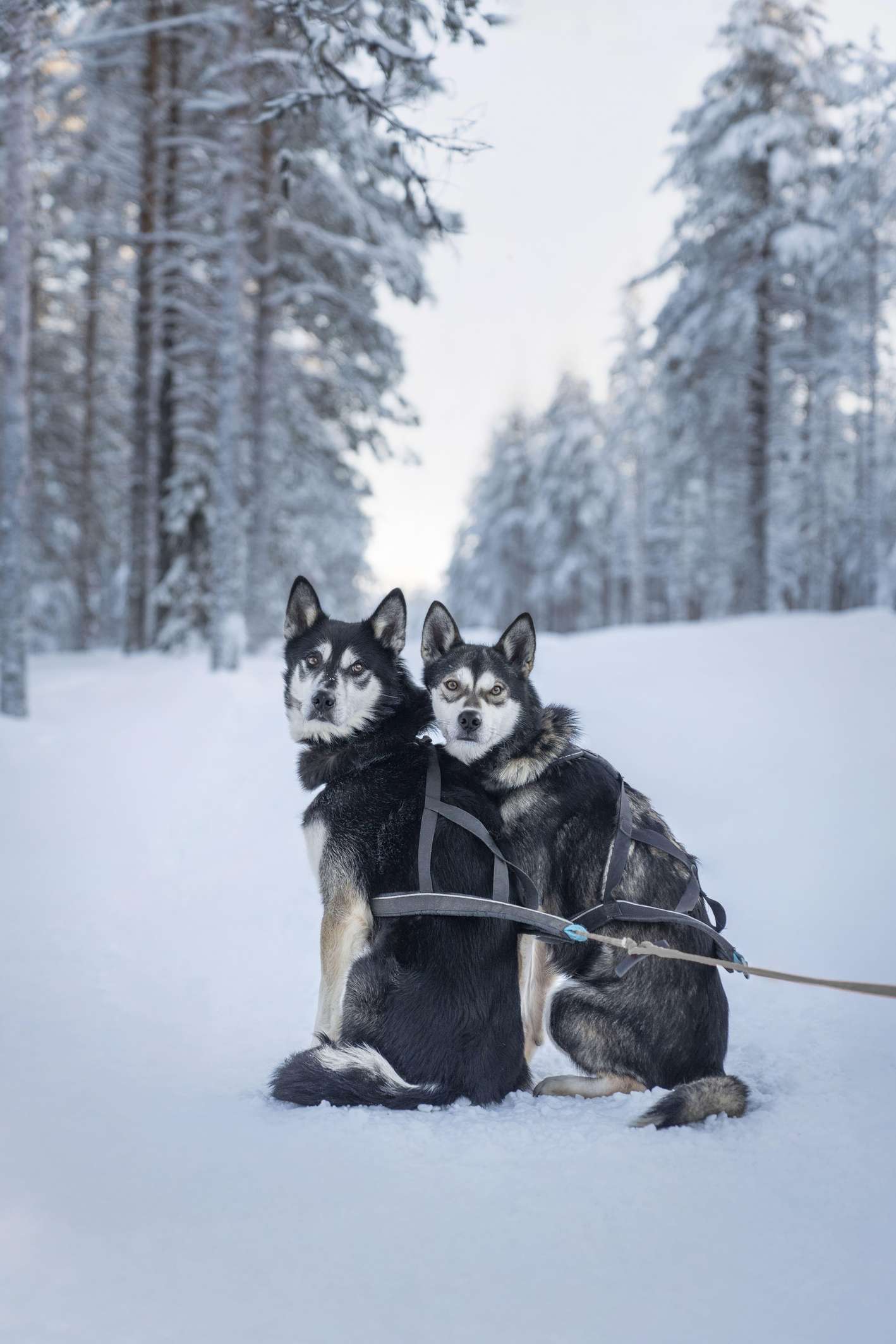
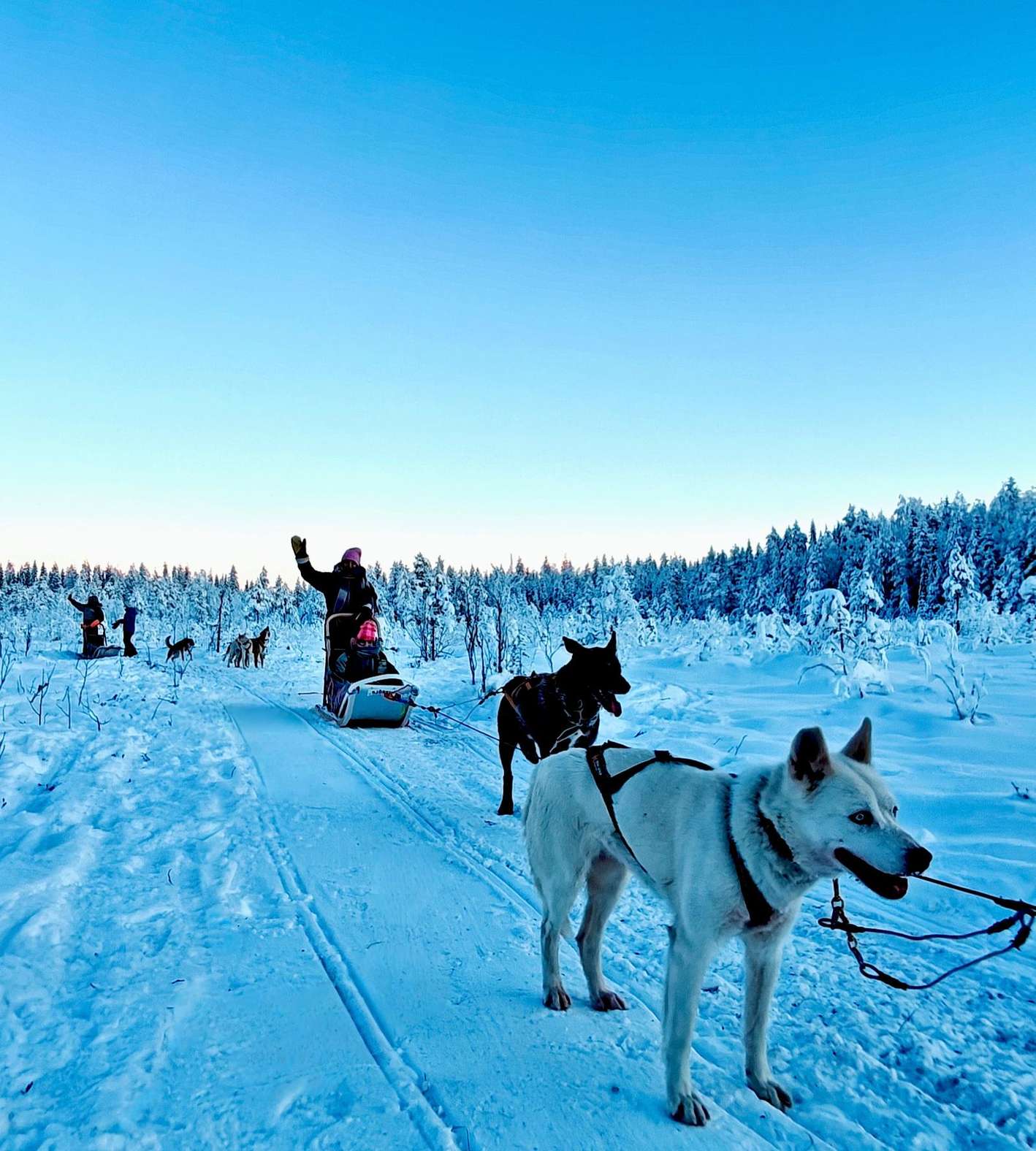
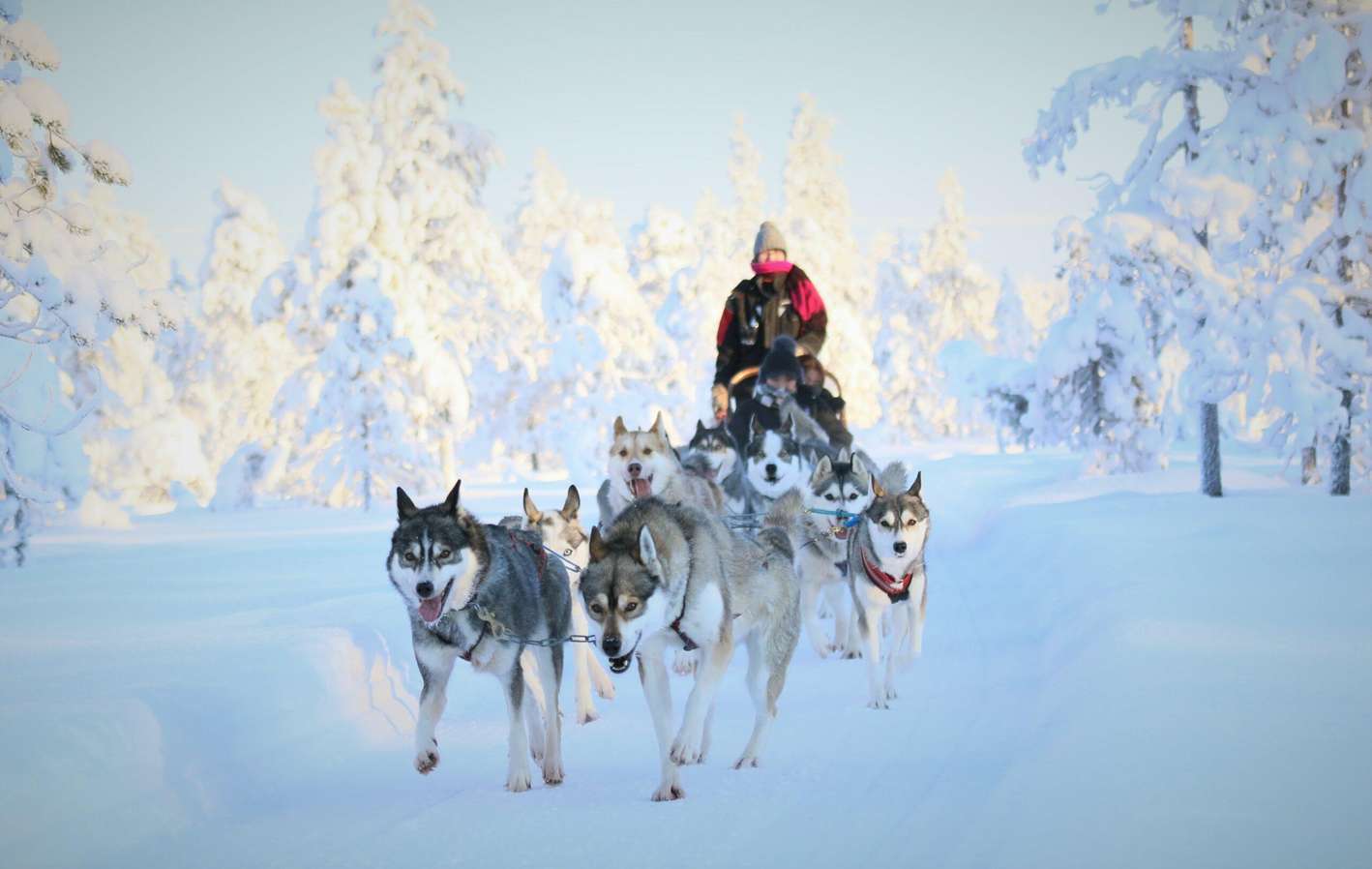
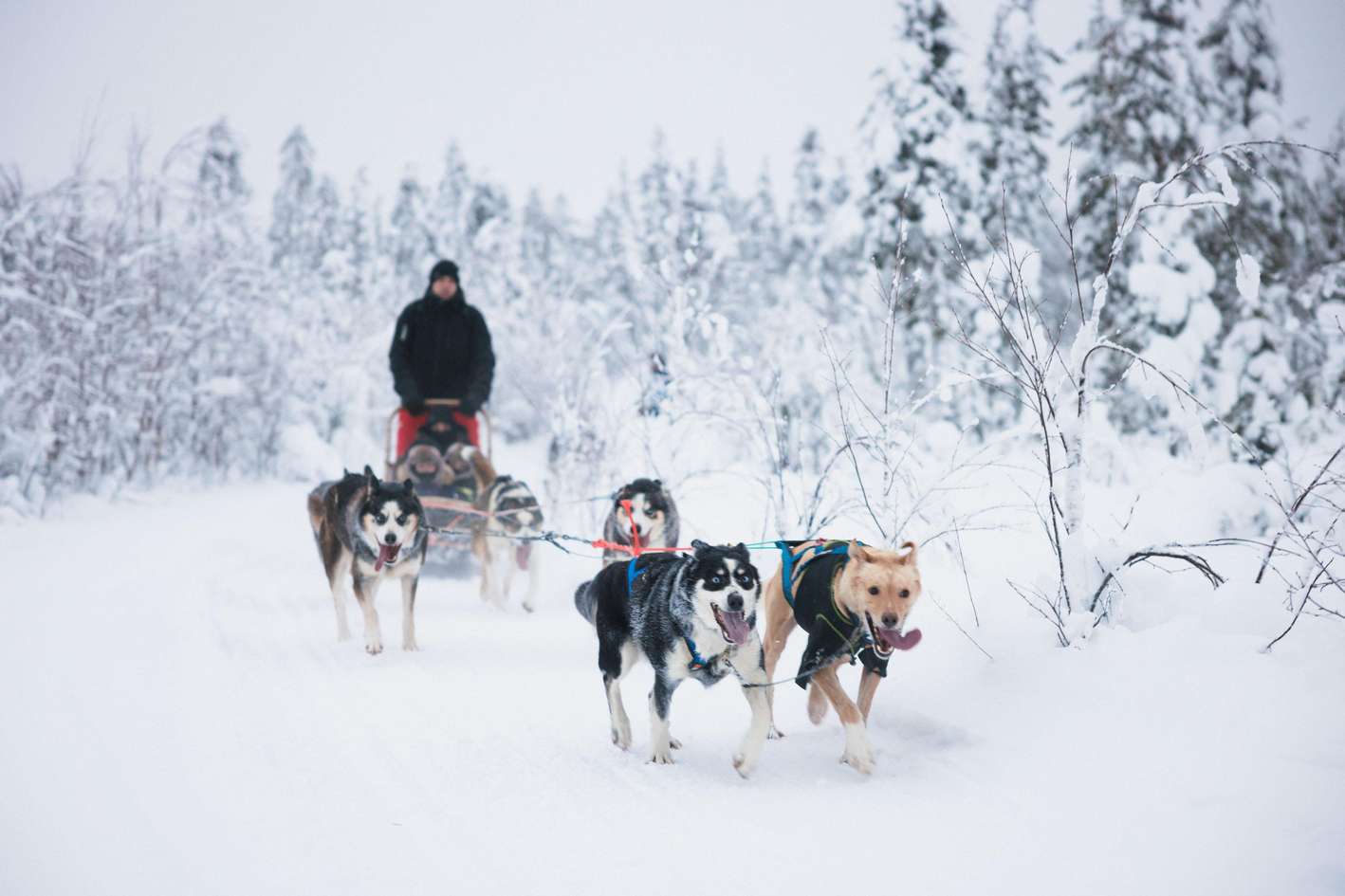
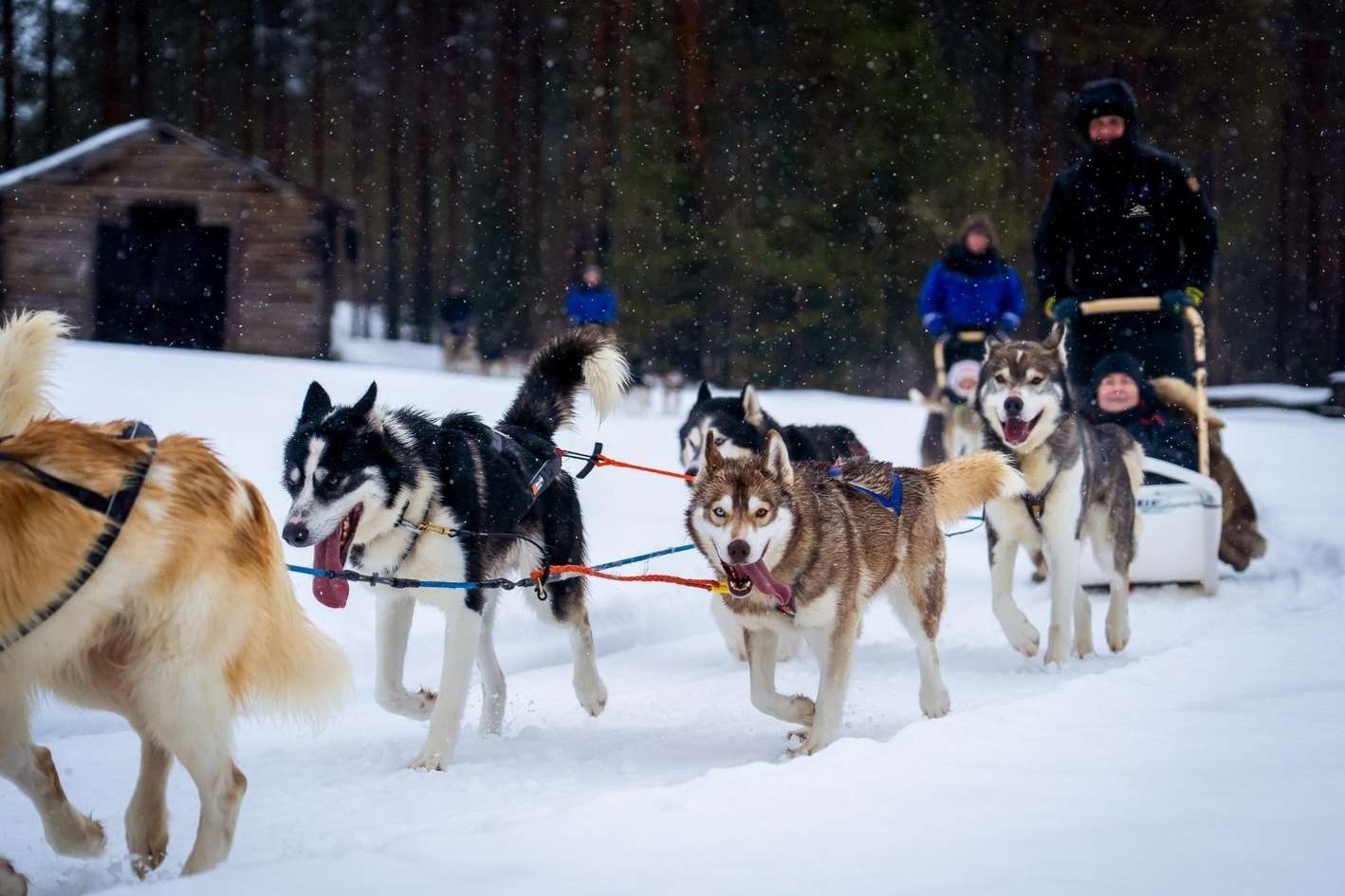
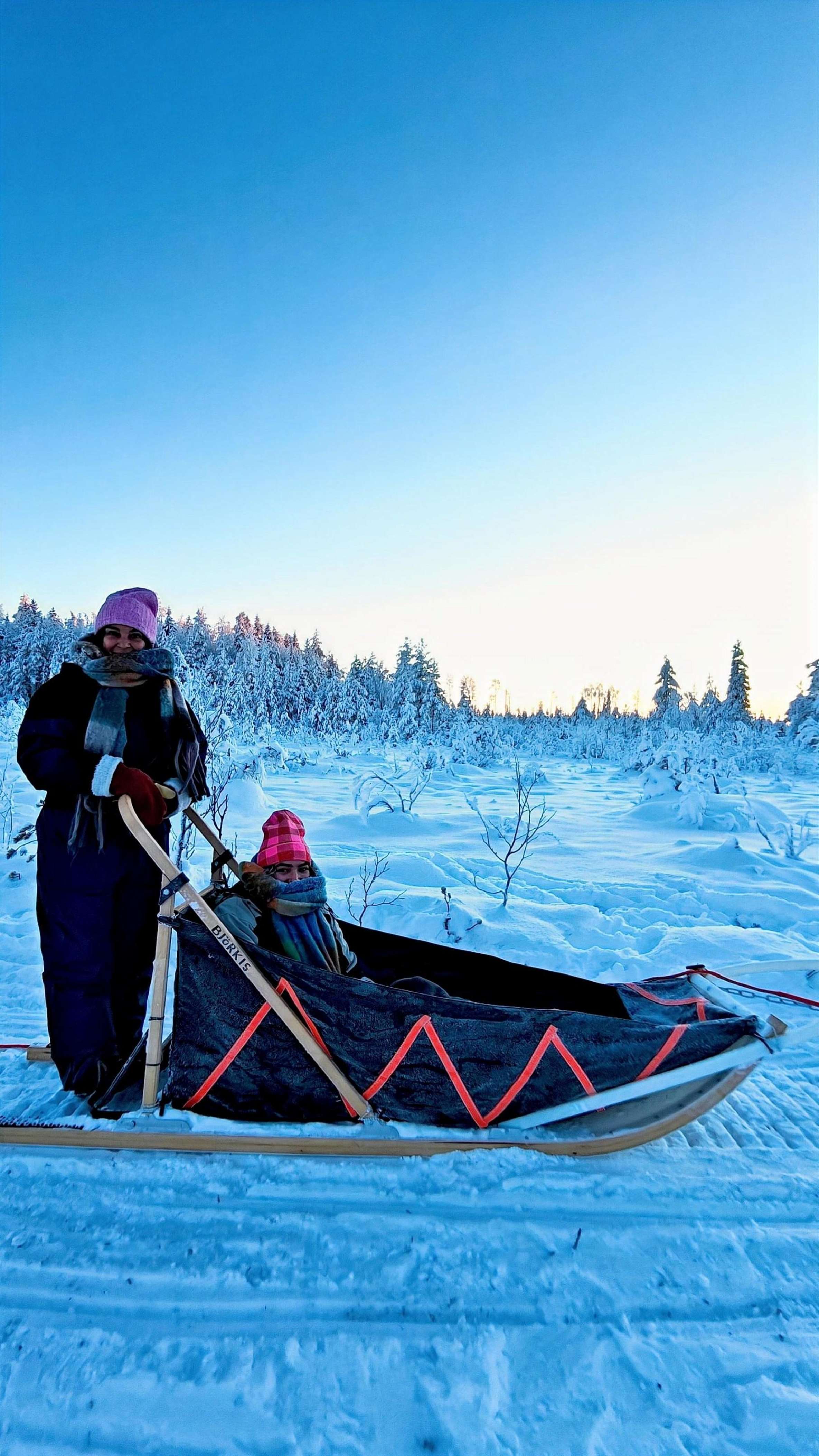
3,250 mushers drove their team deep into the taiga
Husky Safari in Rovaniemi 10km - Extended Trail and Sledding Options
Book a husky safari in Rovaniemi 10km and drive your own team deep into the taiga. Learn to lead the sled from real mushers, swap halfway like seasoned drivers, and warm up by the kota fire. Self-driven trails through silent forest, with transfers and instruction included.
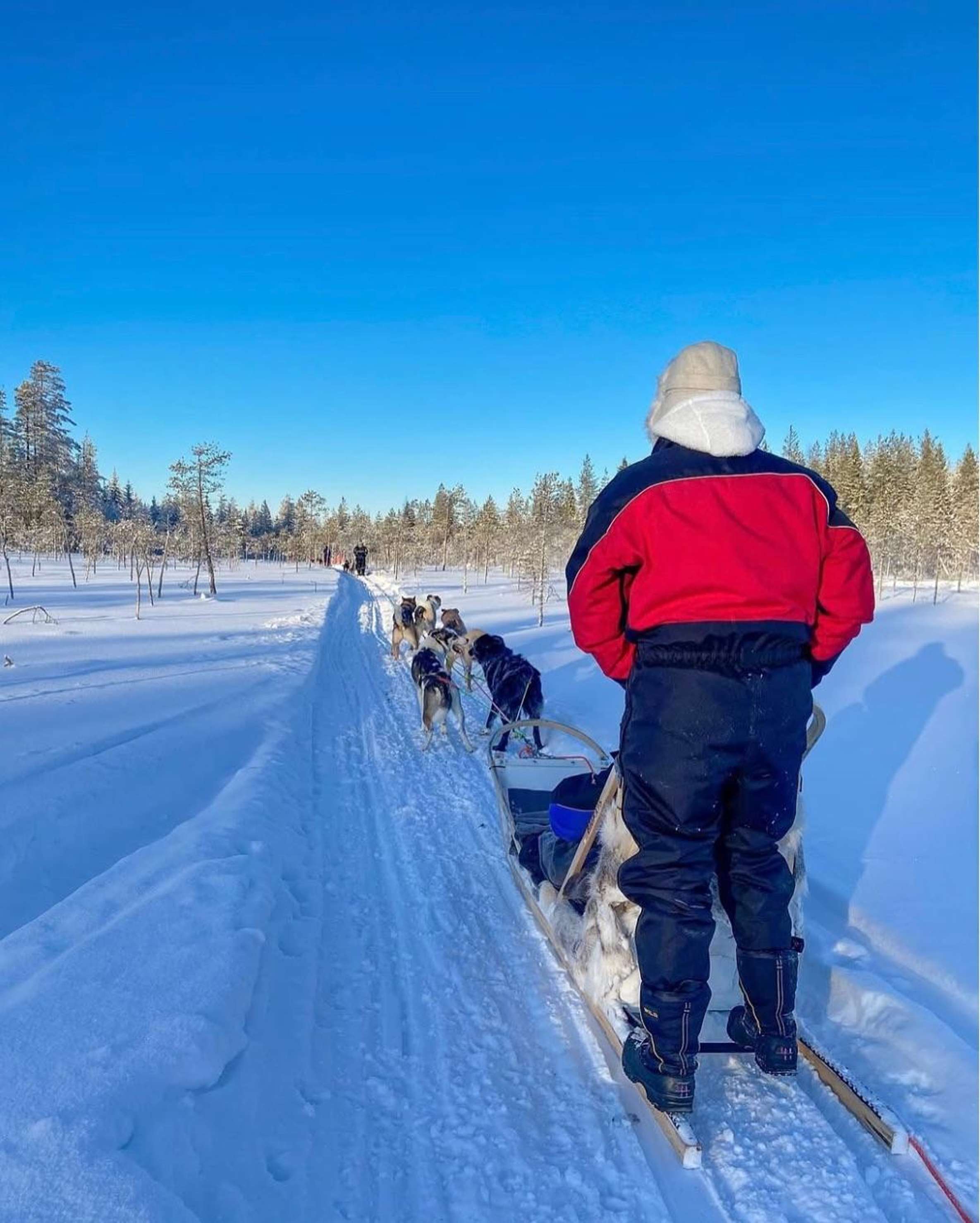
The safaris here split along one line: do you want to hold the handlebar yourself, or let a musher run the team while you ride? Self-drive routes put you on the runners, braking with your foot and leaning into turns. Guided ones let you sit back and watch the forest go by. Either way, the longer trails run deep into quiet taiga well past any kennel fence.
Driving ageYou must be at least 18 to drive a husky sled; anyone under 18 rides as a seated passenger.
PregnancyHusky safaris are not recommended for pregnant women because the ride can be bumpy, with vibration and sudden movements.
Booking windowTours for peak December and Christmas weeks sell out three to six months ahead, so book early.
SeasonJanuary through mid-March brings the most reliable snow for 5 to 10 km trails; early-season snow can be thin.
Cold rulesOperators shorten runs or switch self-drive tours to guide-driven rides between about -28°C and -30°C, and cancel outright at -35°C.
UphillsOn climbs, drivers step off a runner to scoot or jog behind and push the sled, so a basic level of fitness helps.
TransfersRemote kennels sit 20 to 70 kilometers outside Rovaniemi, and advertised durations include round-trip transfers, gear fitting and briefing.
Group minimumsMany tours need at least two paying adults to run, and a few need four on Sundays and public holidays.
Grip ruleThe one rule that matters on the runners is to never let go of the sled, even if it tips.
WarmthWear merino or synthetic base layers under the thermal overalls most operators provide, and avoid cotton.
importantOn 10km husky safaris in Rovaniemi, only adults aged 18 and over can drive the sled, and the rides are not suitable for pregnant women or people with back problems.
If anyone under 18 joins, plan for them to ride as a passenger seated in the sled with an adult driving. If you are pregnant or have a bad back, choose a musher-driven tour instead, where a professional guide steers the team while you sit back and enjoy the trail.
Husky safari Rovaniemi 10km - which tour to pick
solo riders often get a sled of their own
Best for long trails
3.5 hours·English
4.2(842)
Rovaniemi: Husky Safari with 1, 5, 10 & 20 KM Options
The only one that reaches 20 km, with self-drive reserved for the 10 and 20 km rides, so you set your own distance.
Free cancellationWinter clothes (overalls, boots, and gloves)Husky sleigh ride (lenght based on your choice)
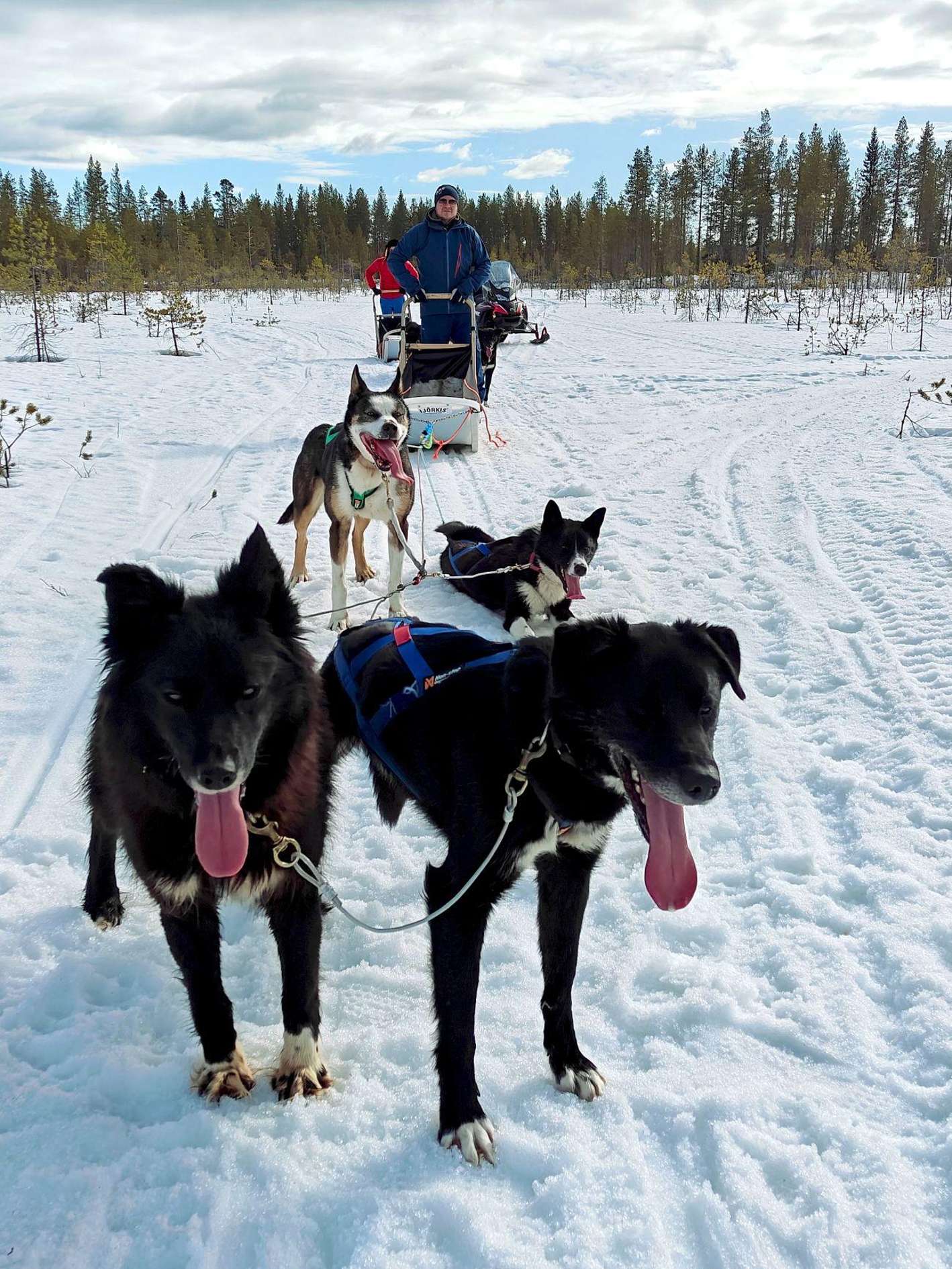
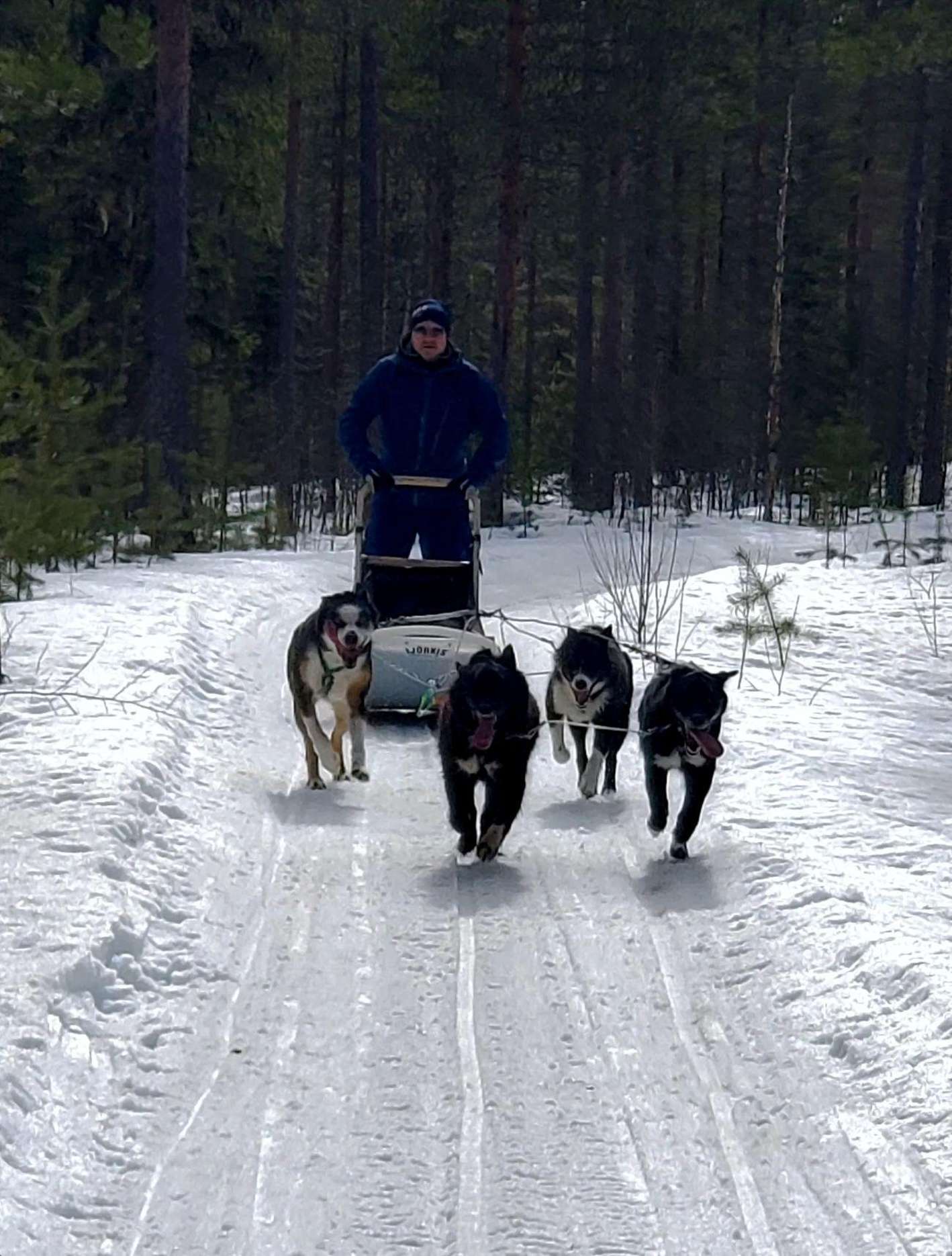
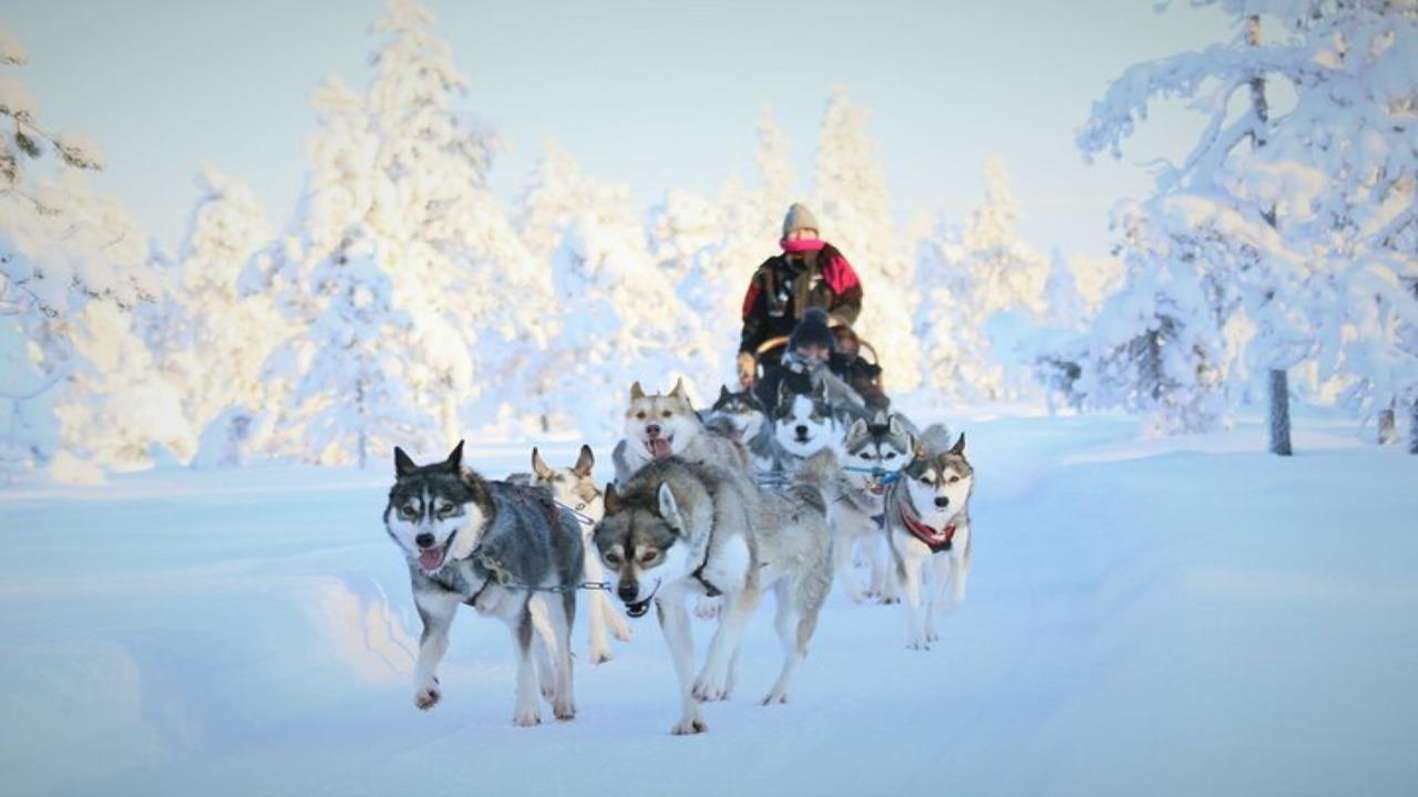
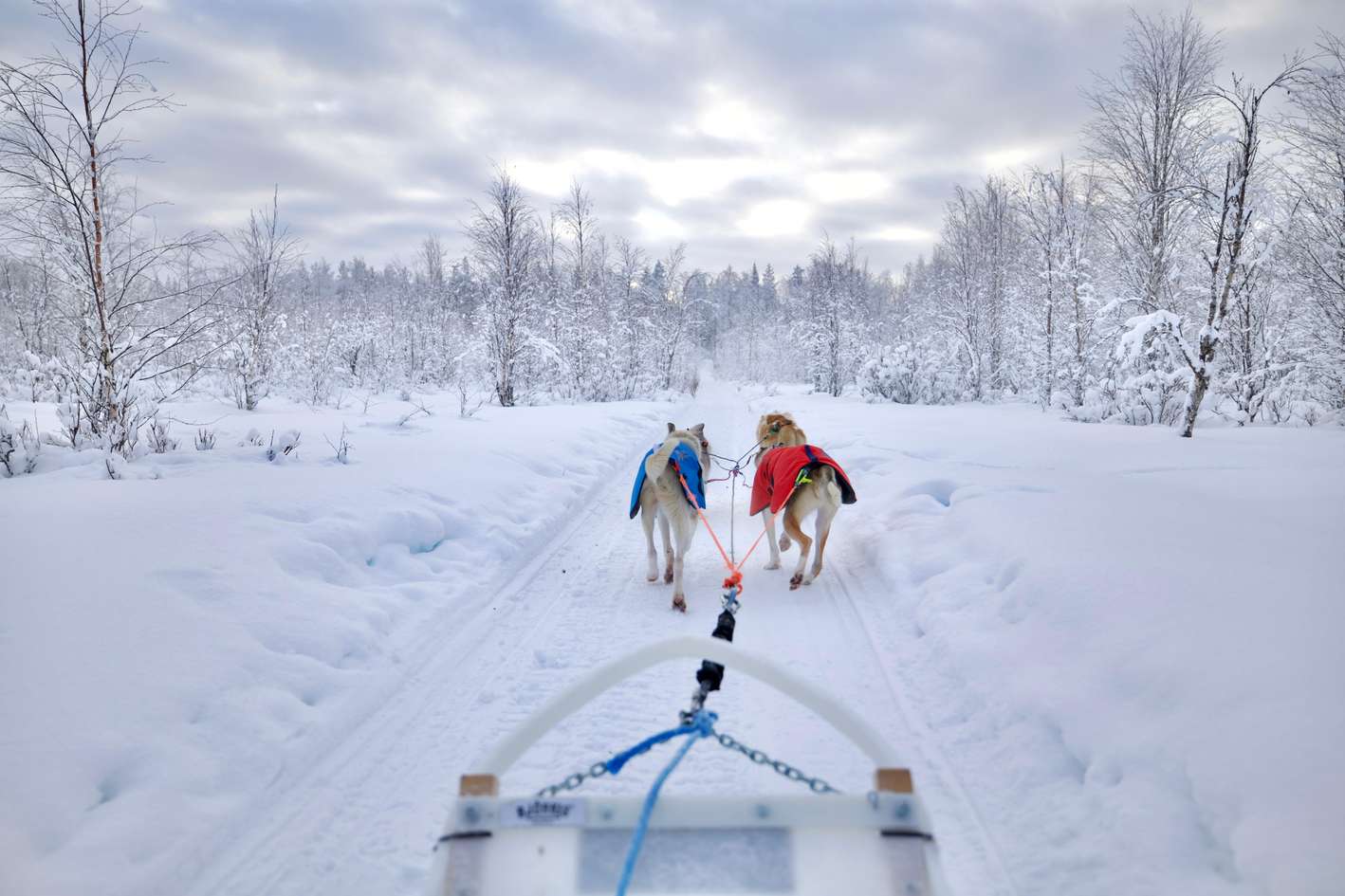
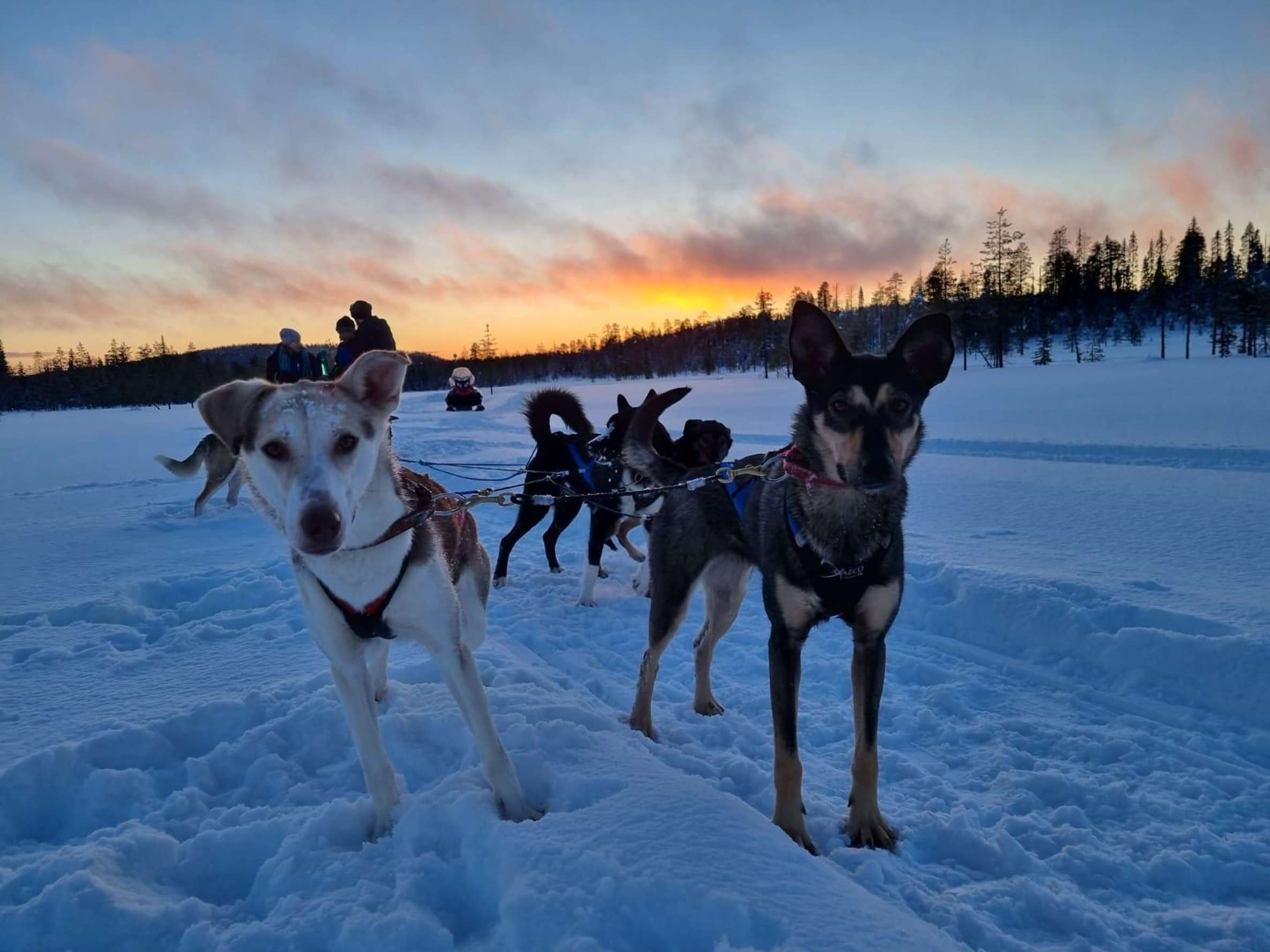
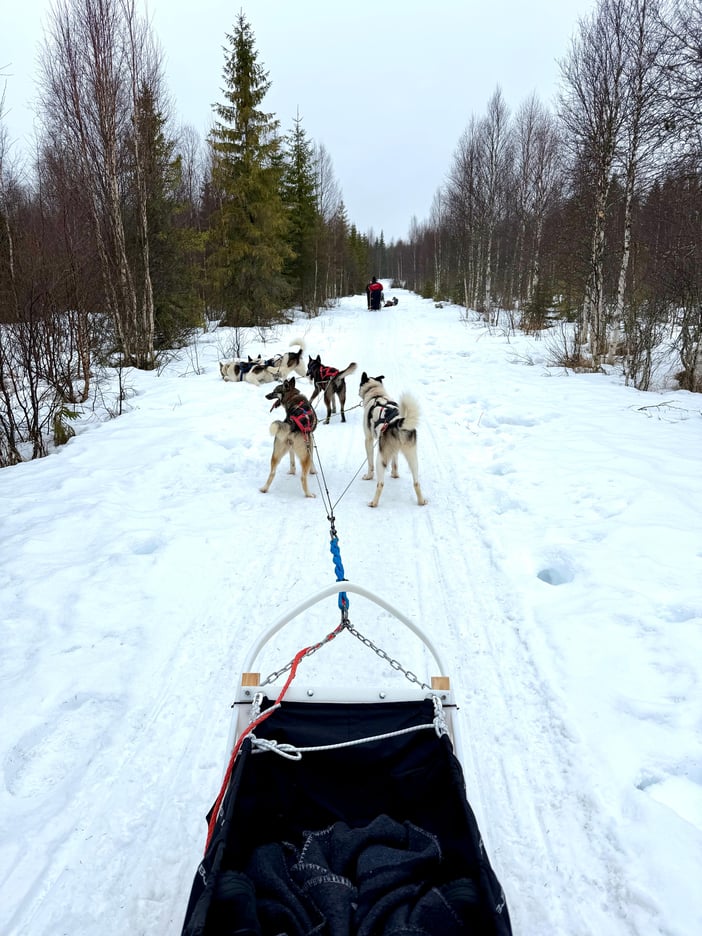
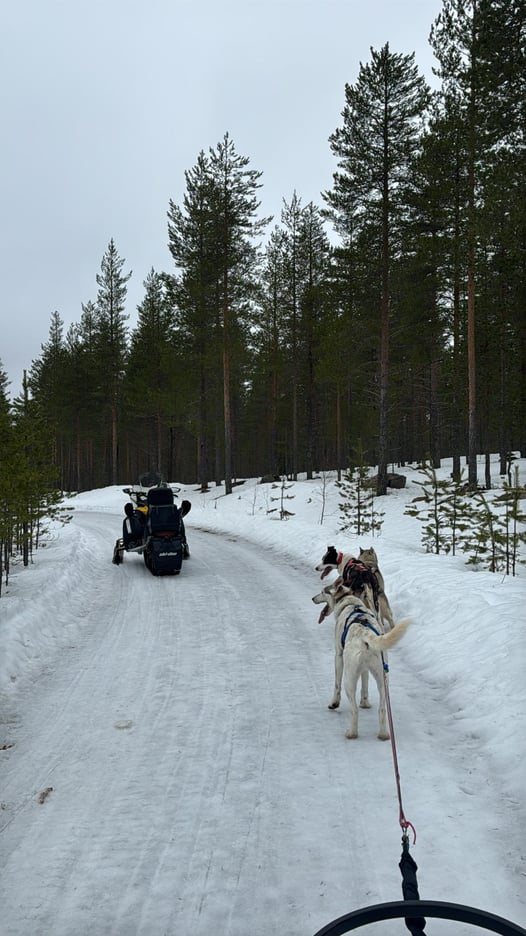
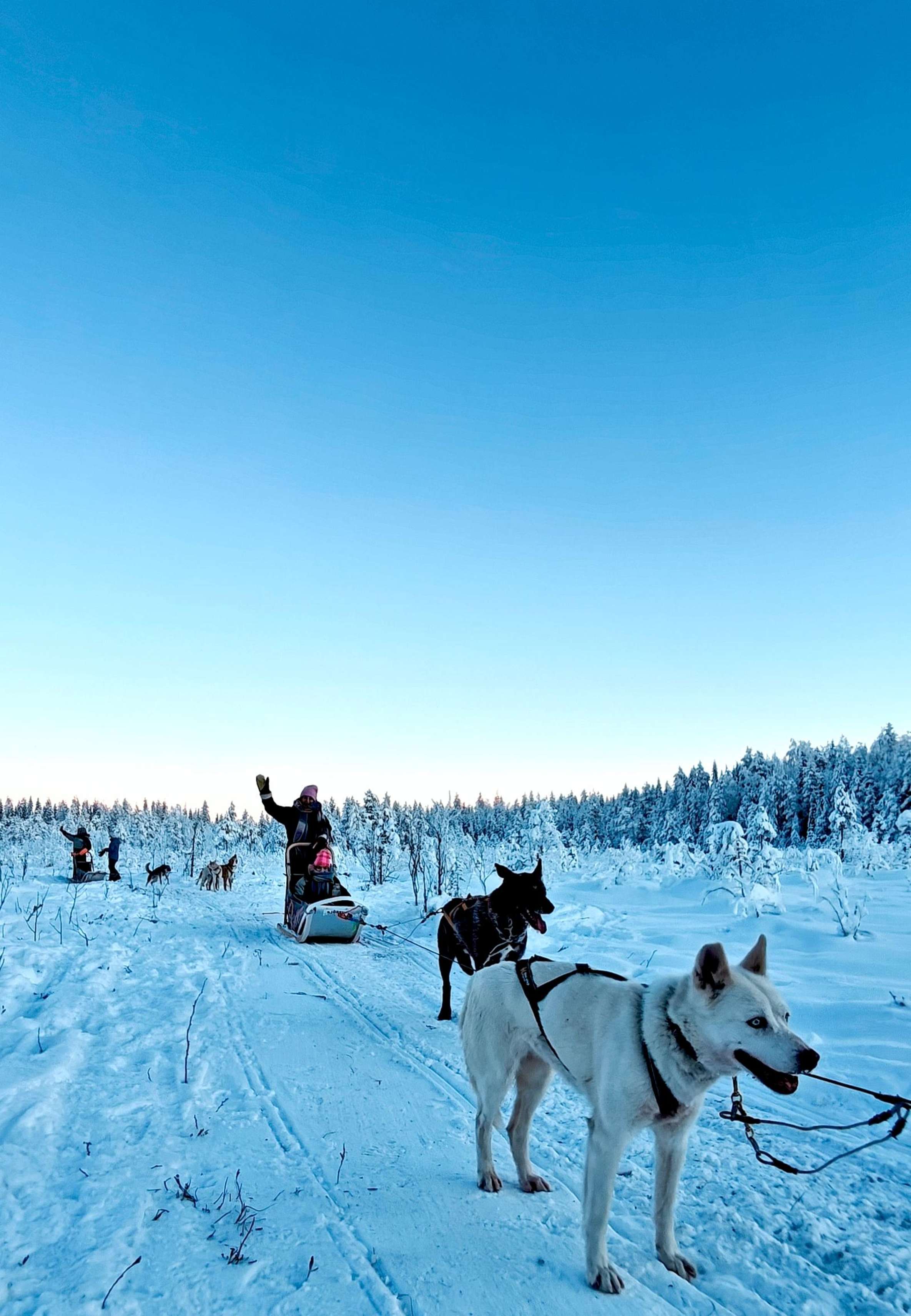
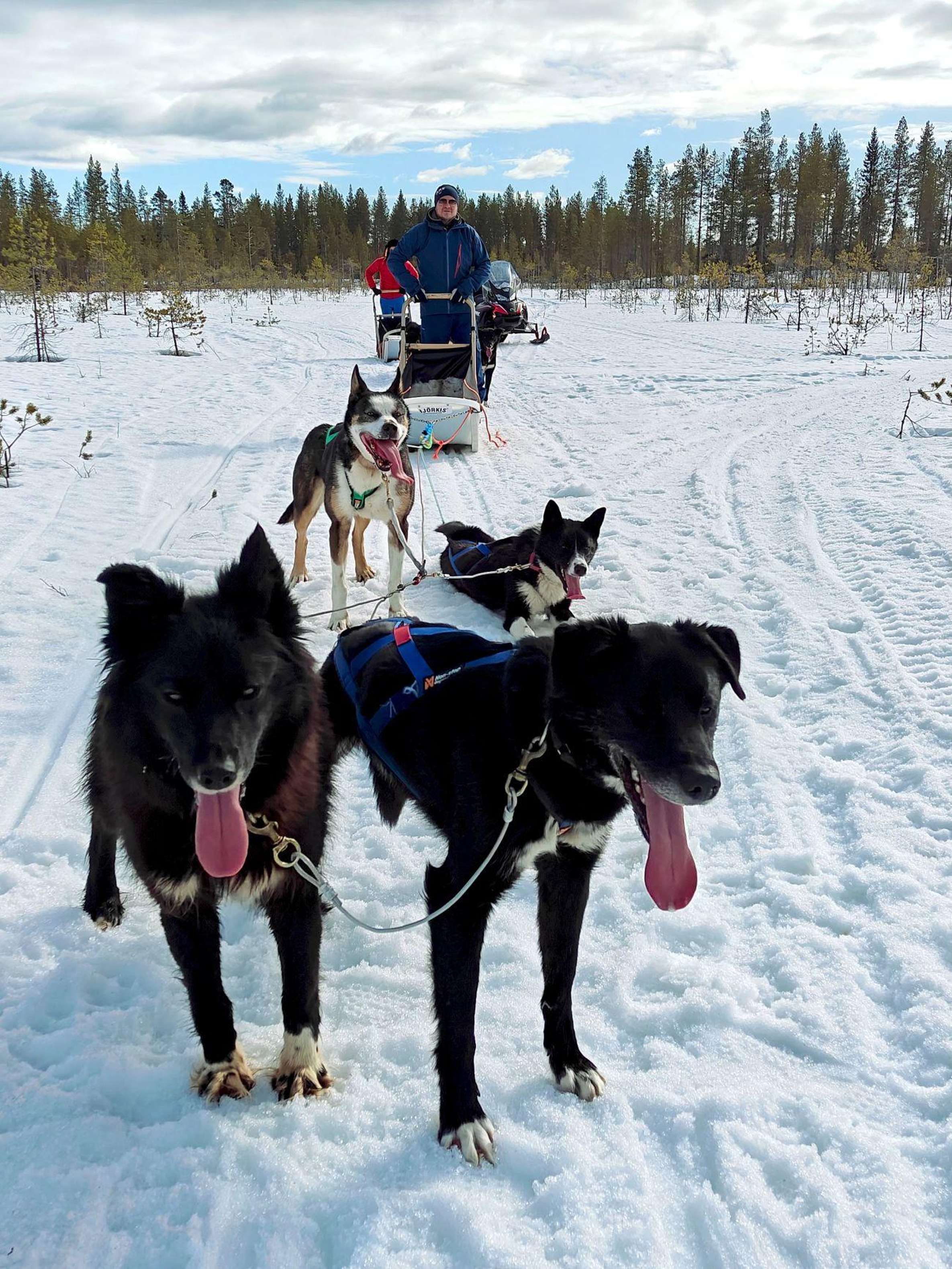
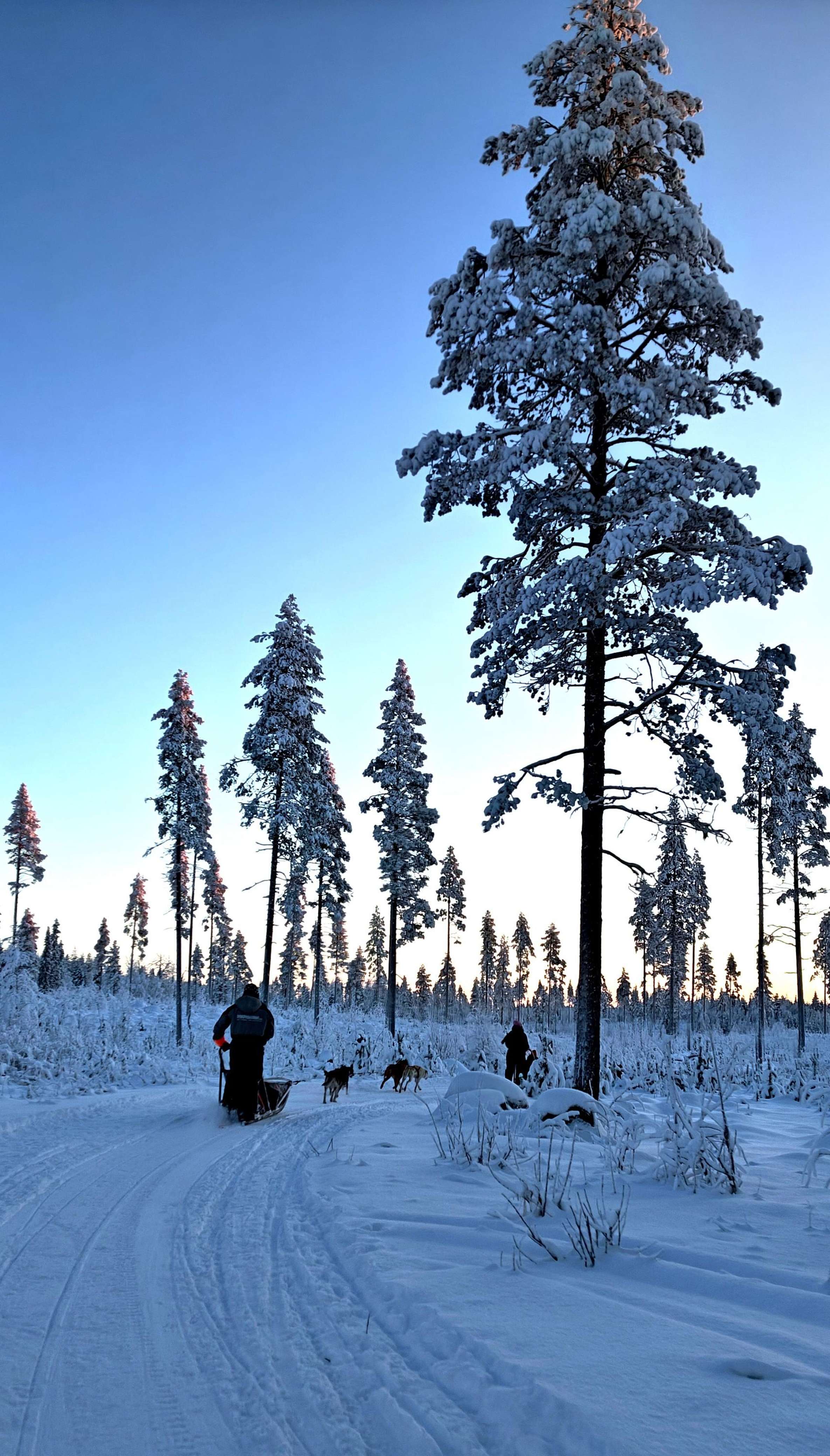
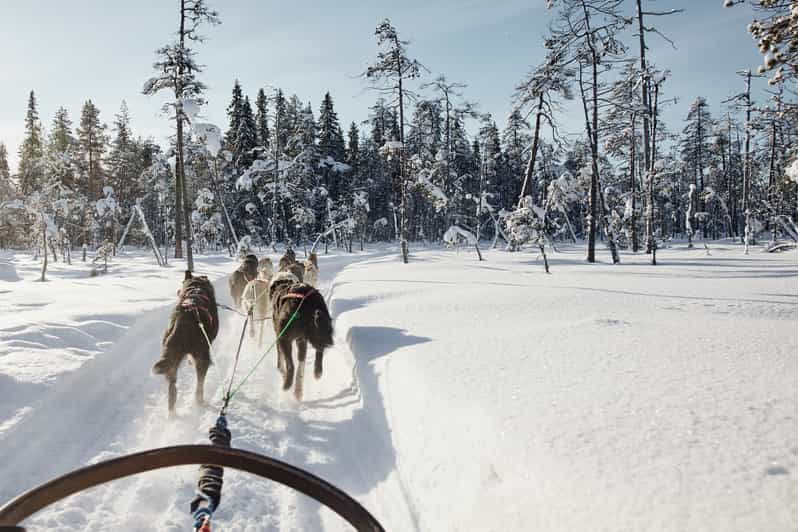
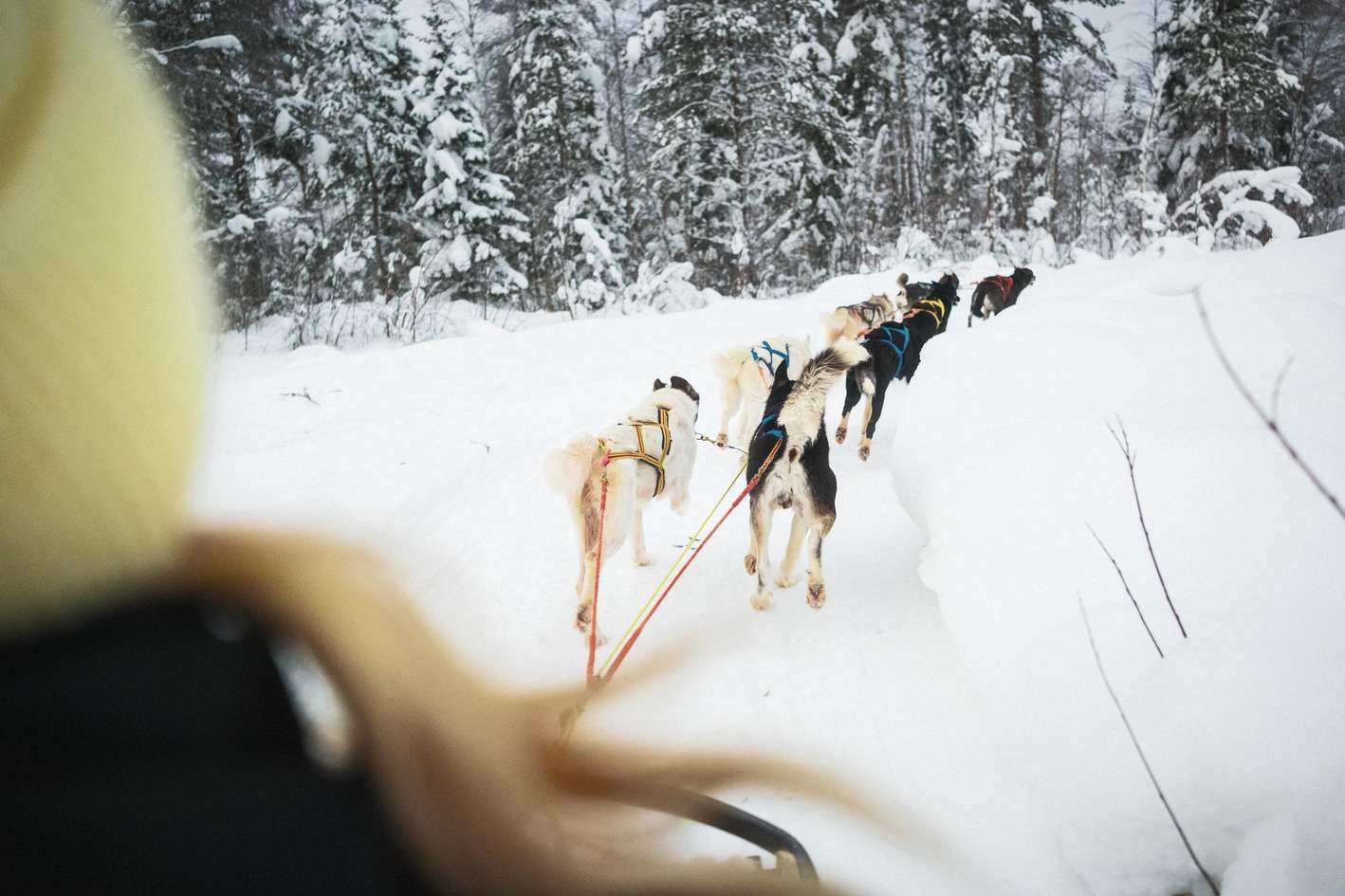
The dogs start howling the moment the harnesses come out, and then the trail takes over. A 10km safari runs 30 to 50 minutes of continuous sledding through the taiga forest, far past the short kennel loops near the village that end before they settle in.
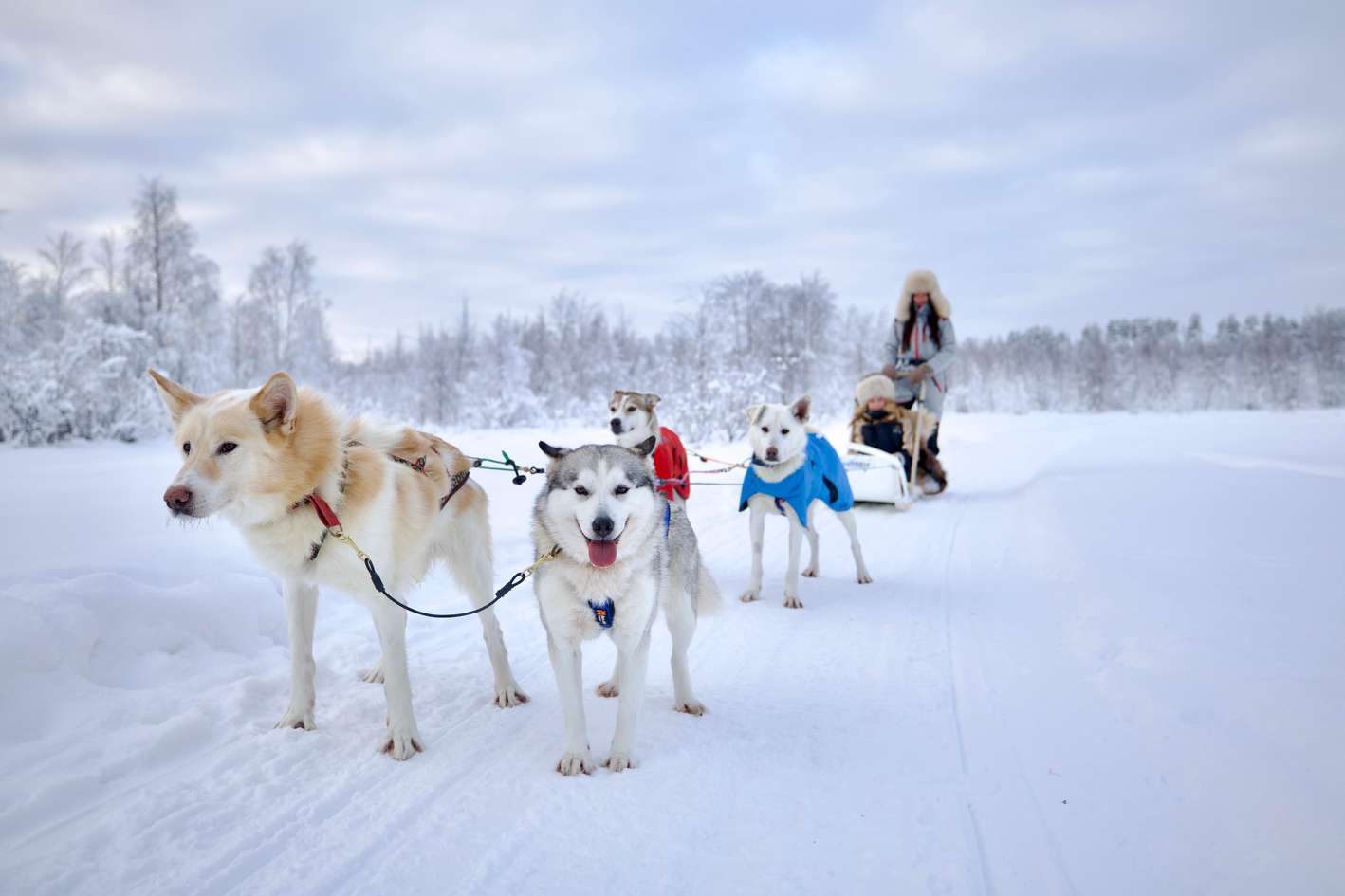
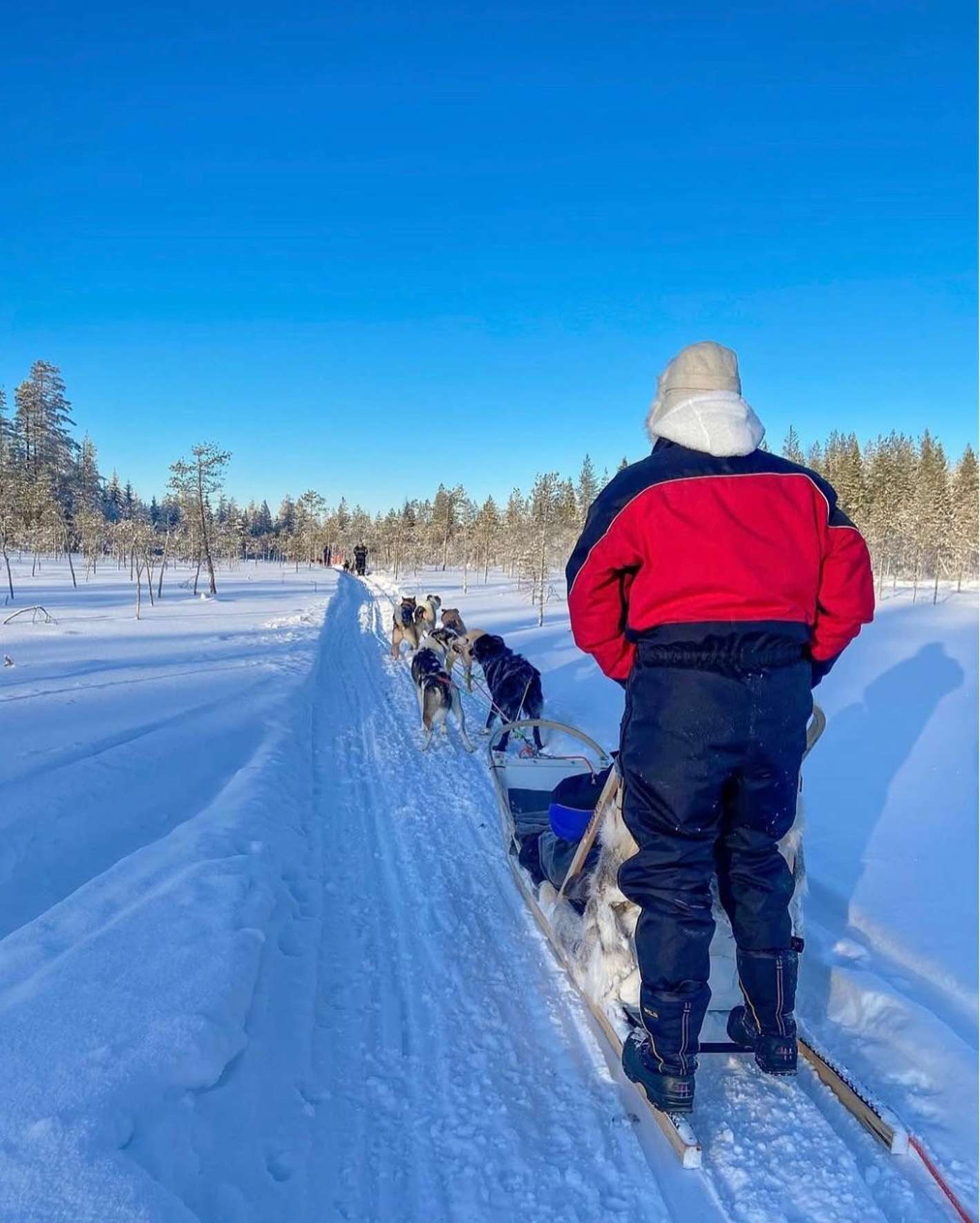
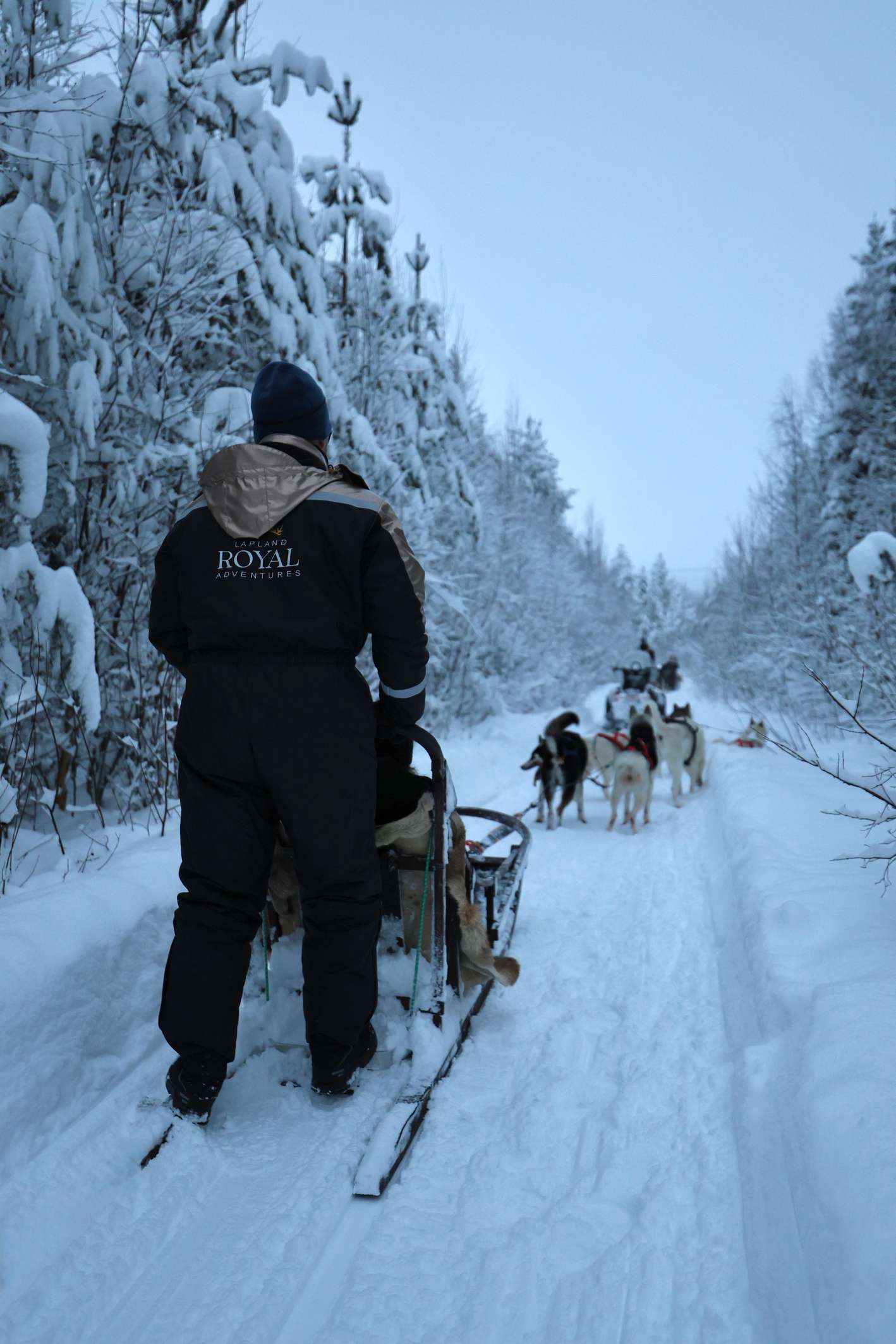
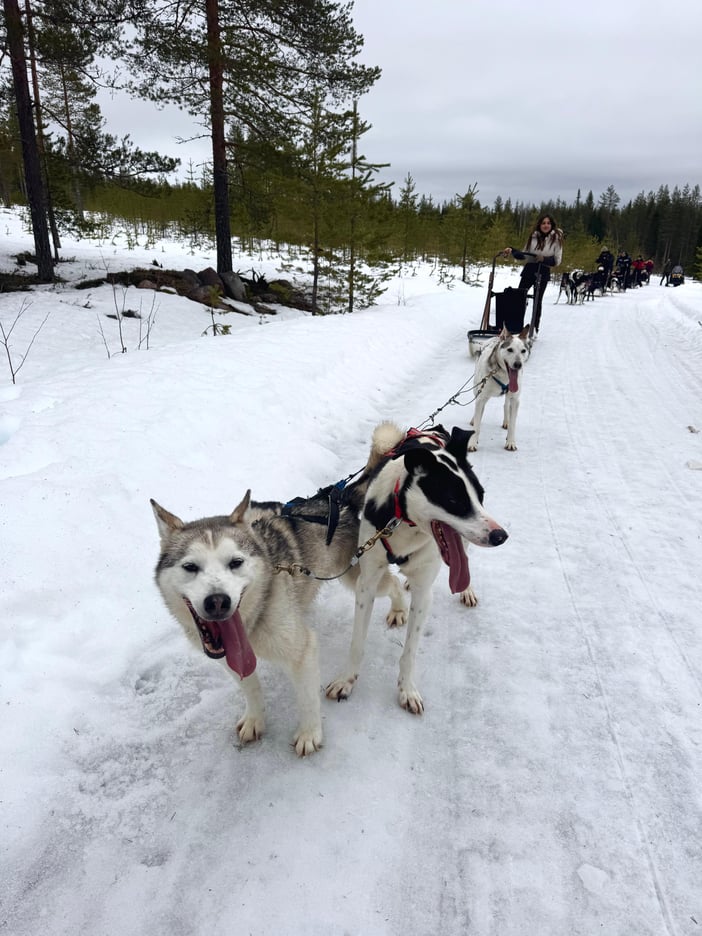
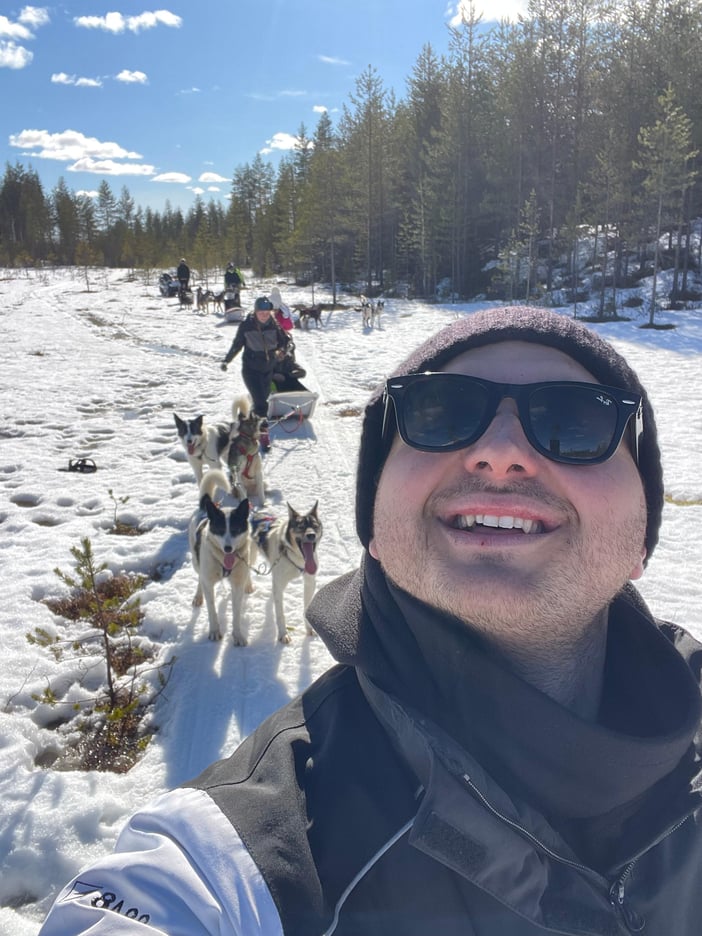
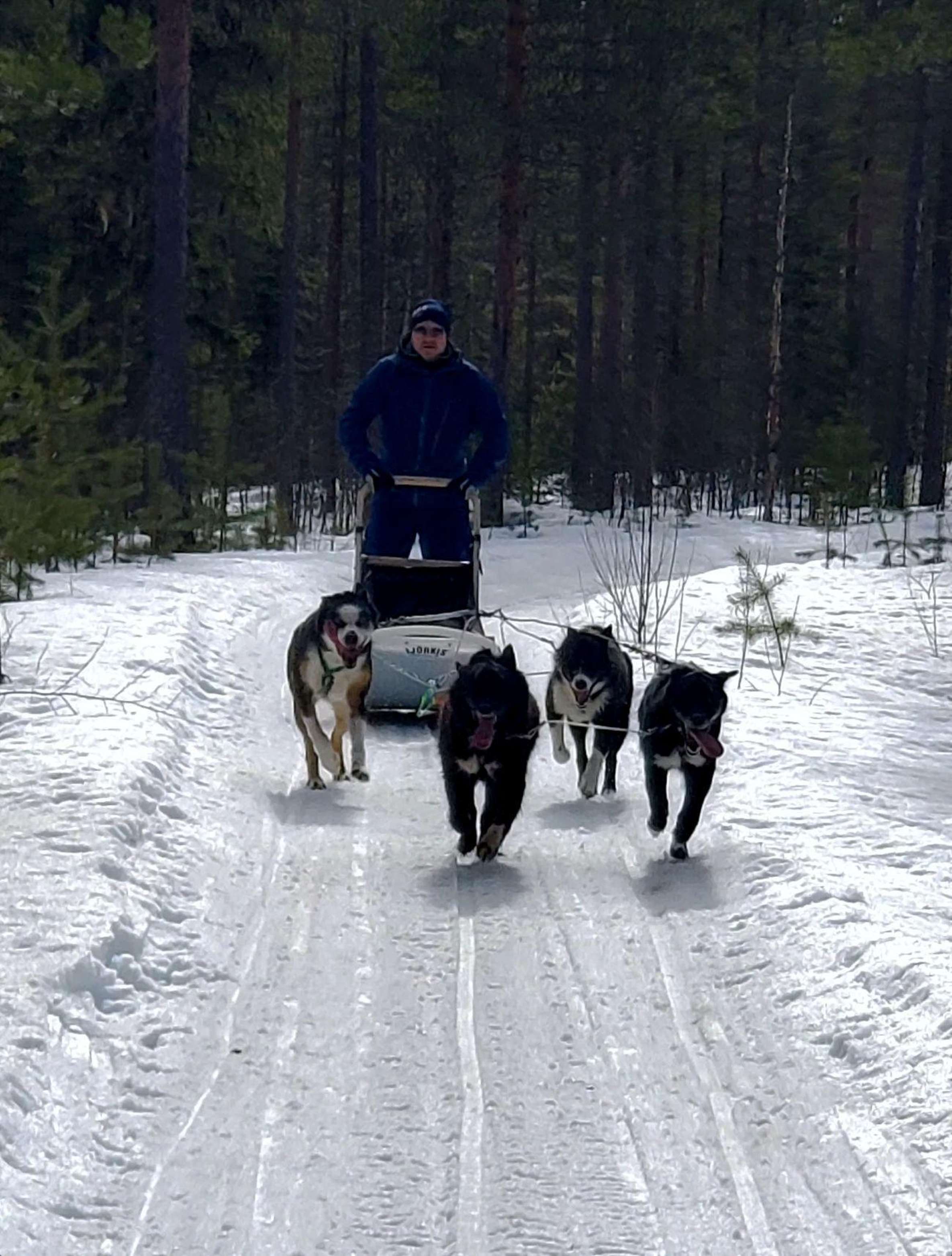
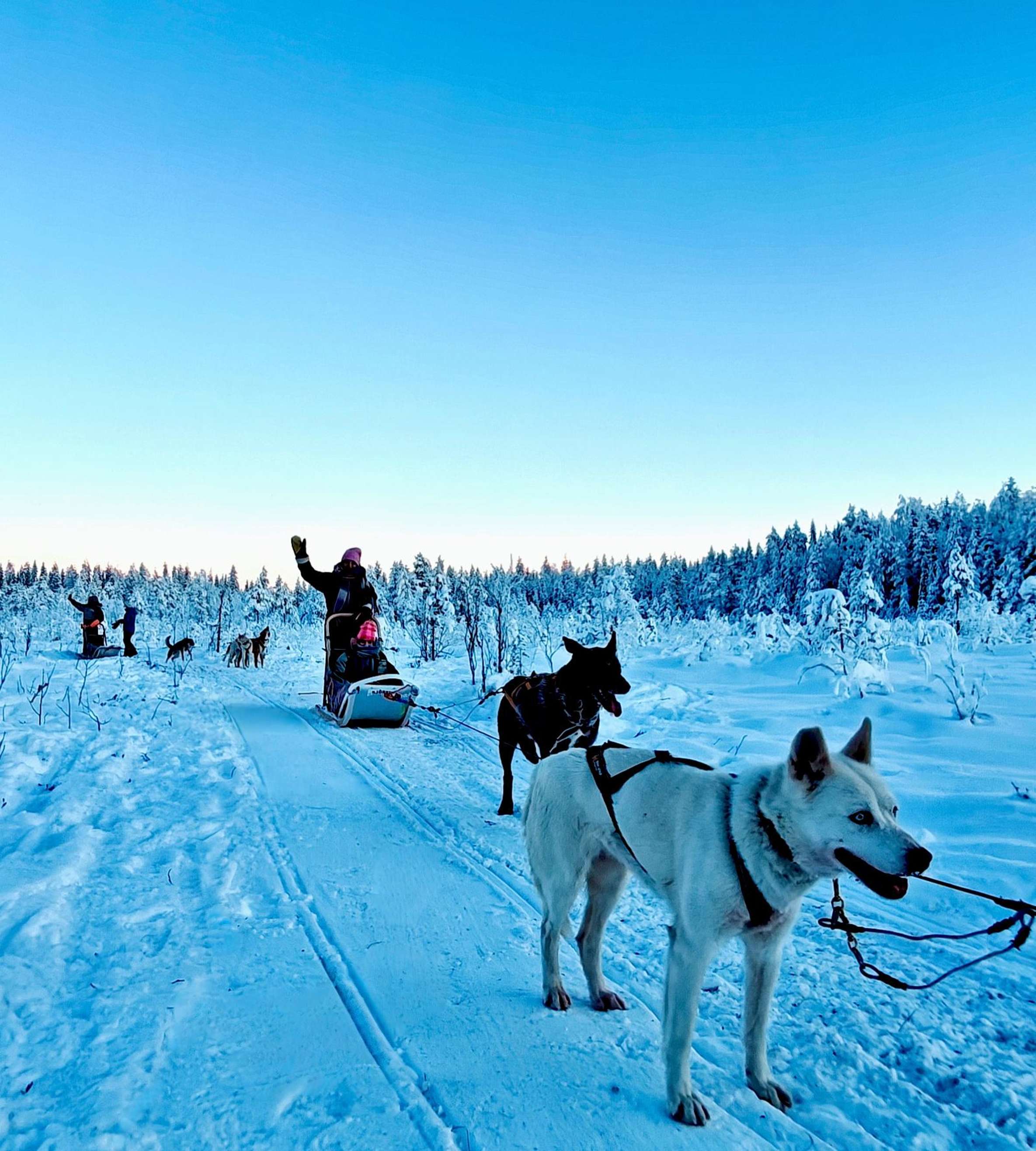
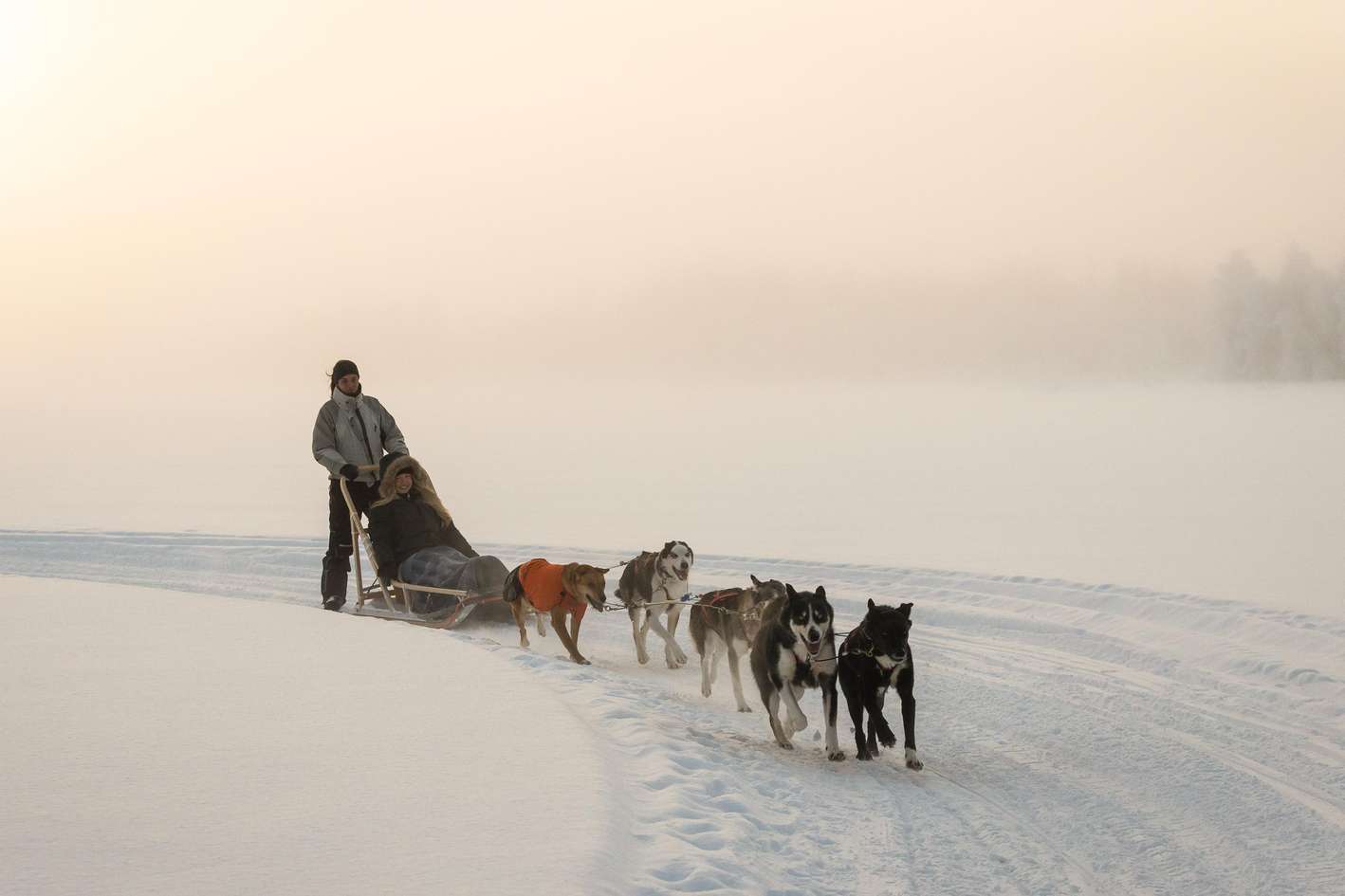
On self-drive tours you stand on the runners, steer with your weight and brake with your foot, and pairs swap places at the halfway point.
Out in the forest the trees change. In deep cold, fog and rime ice build up in thick crusts on the branches and bend them into sculpted forms locals call snow monsters.
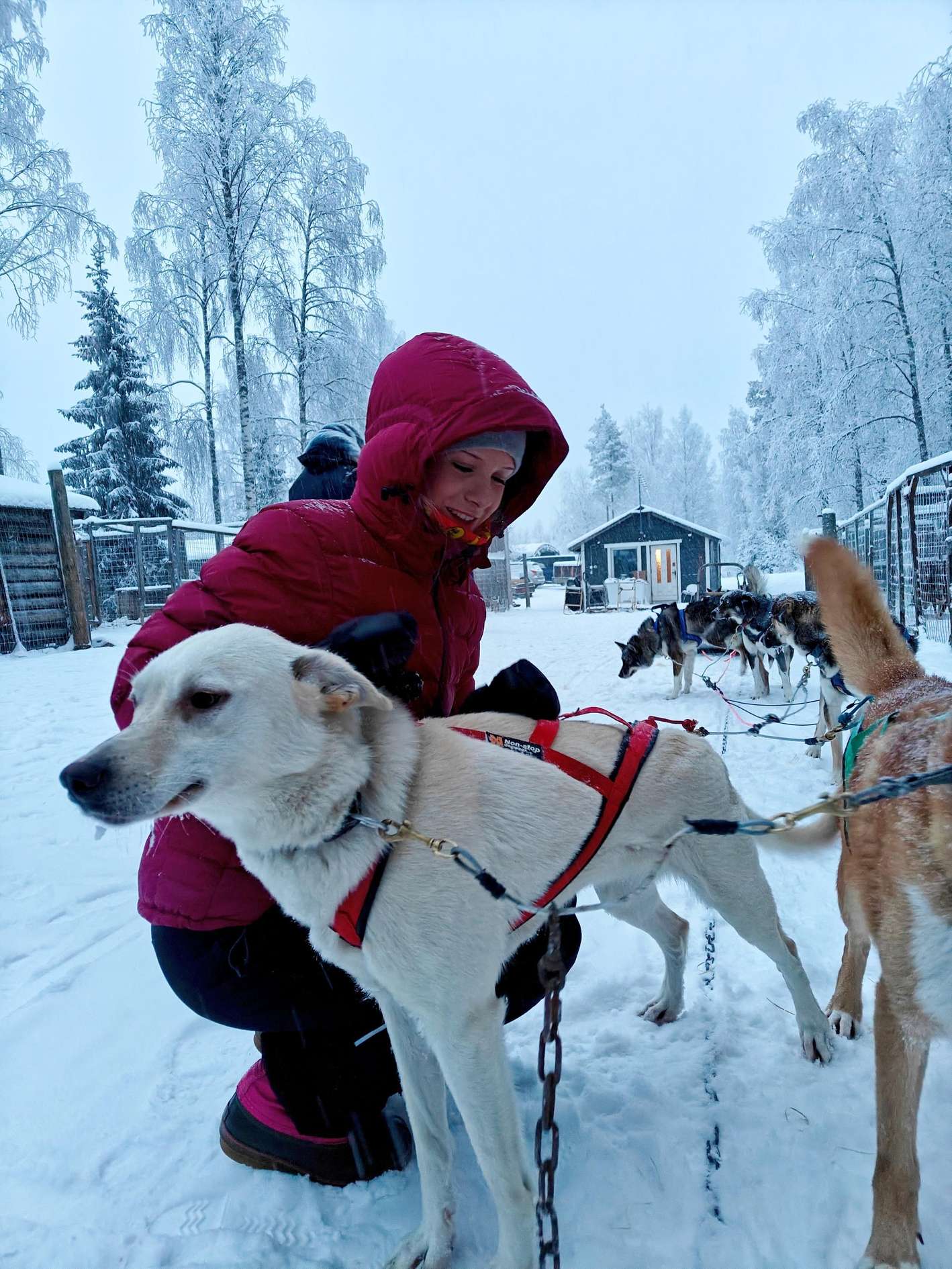
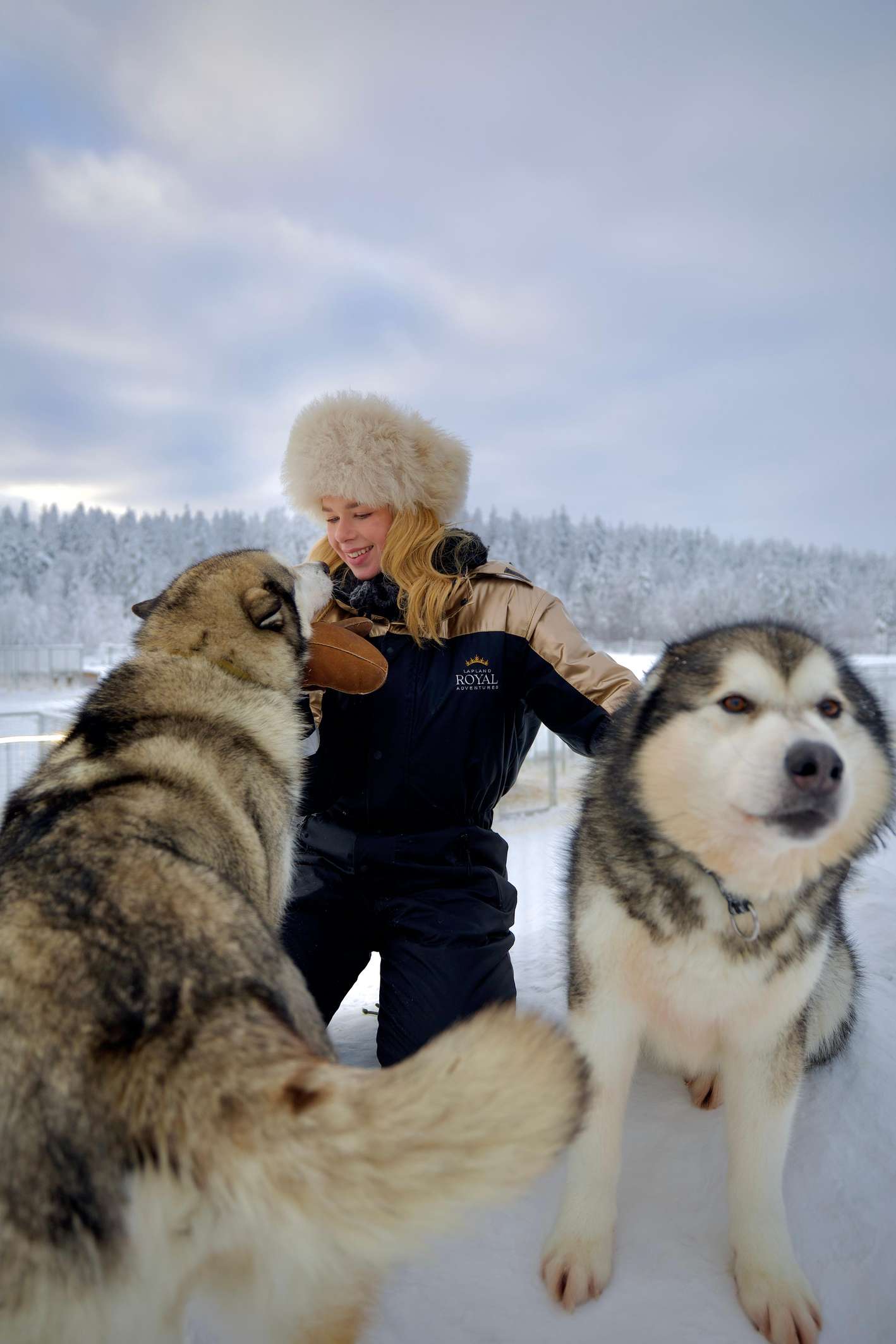
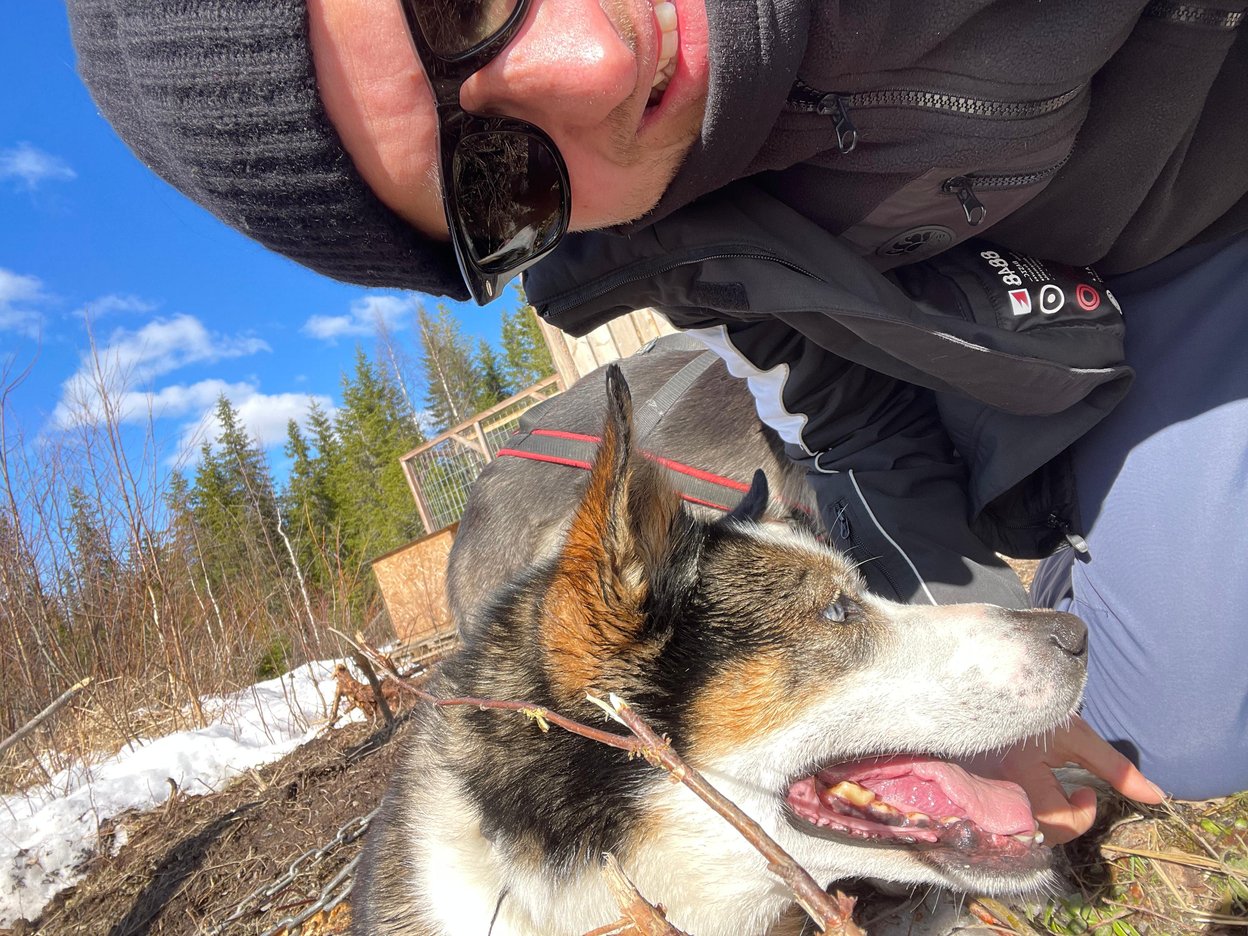
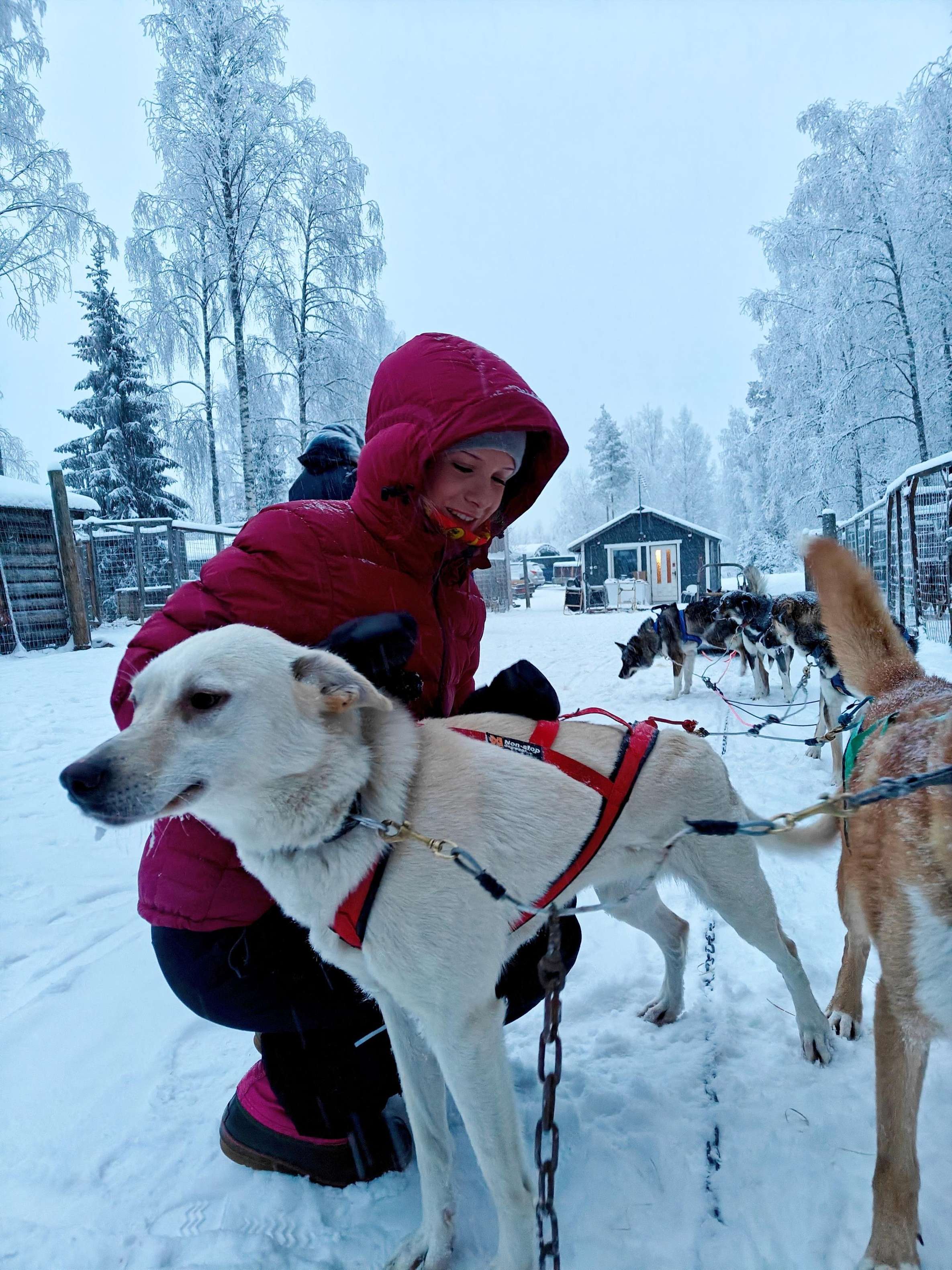
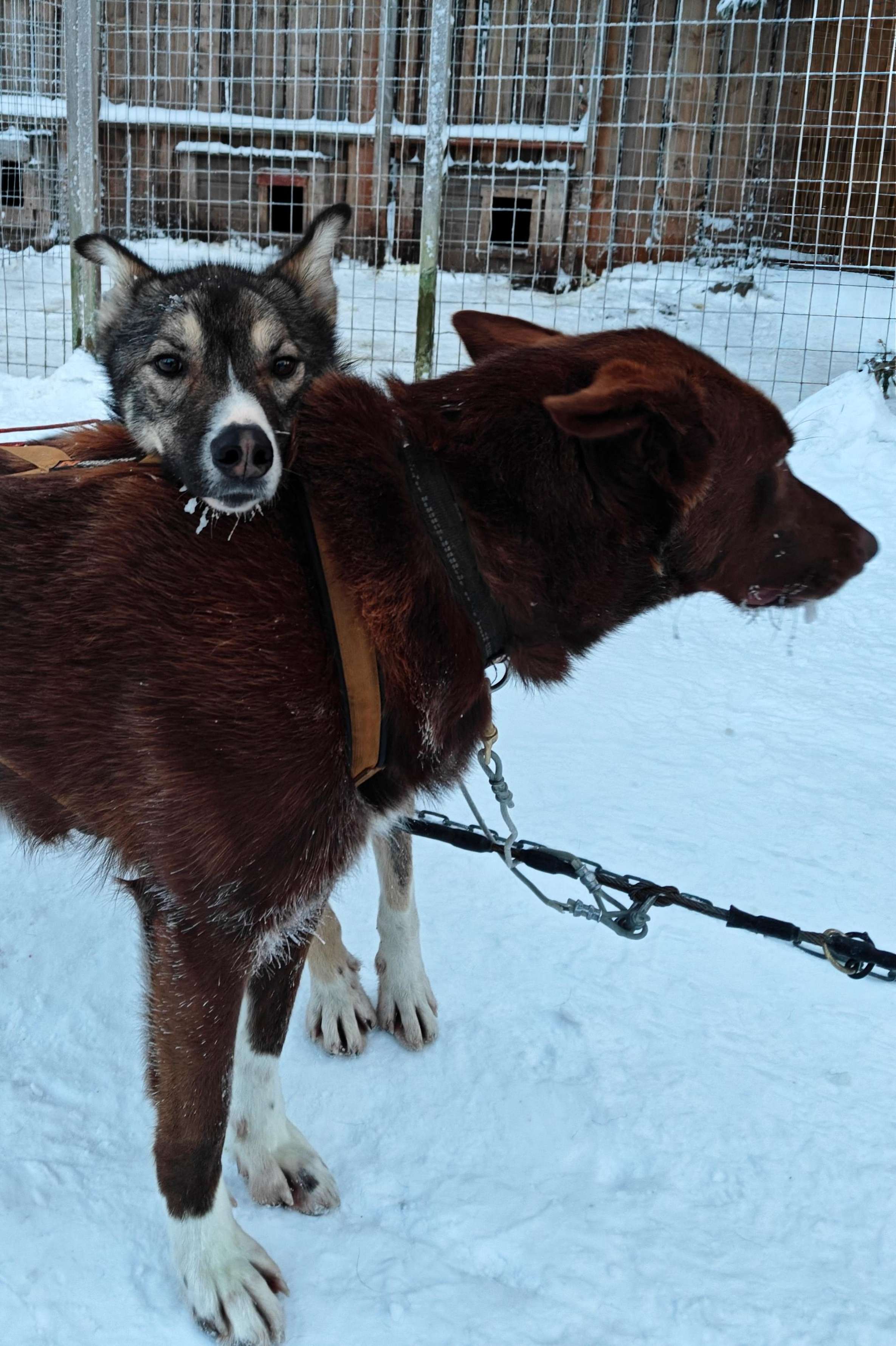
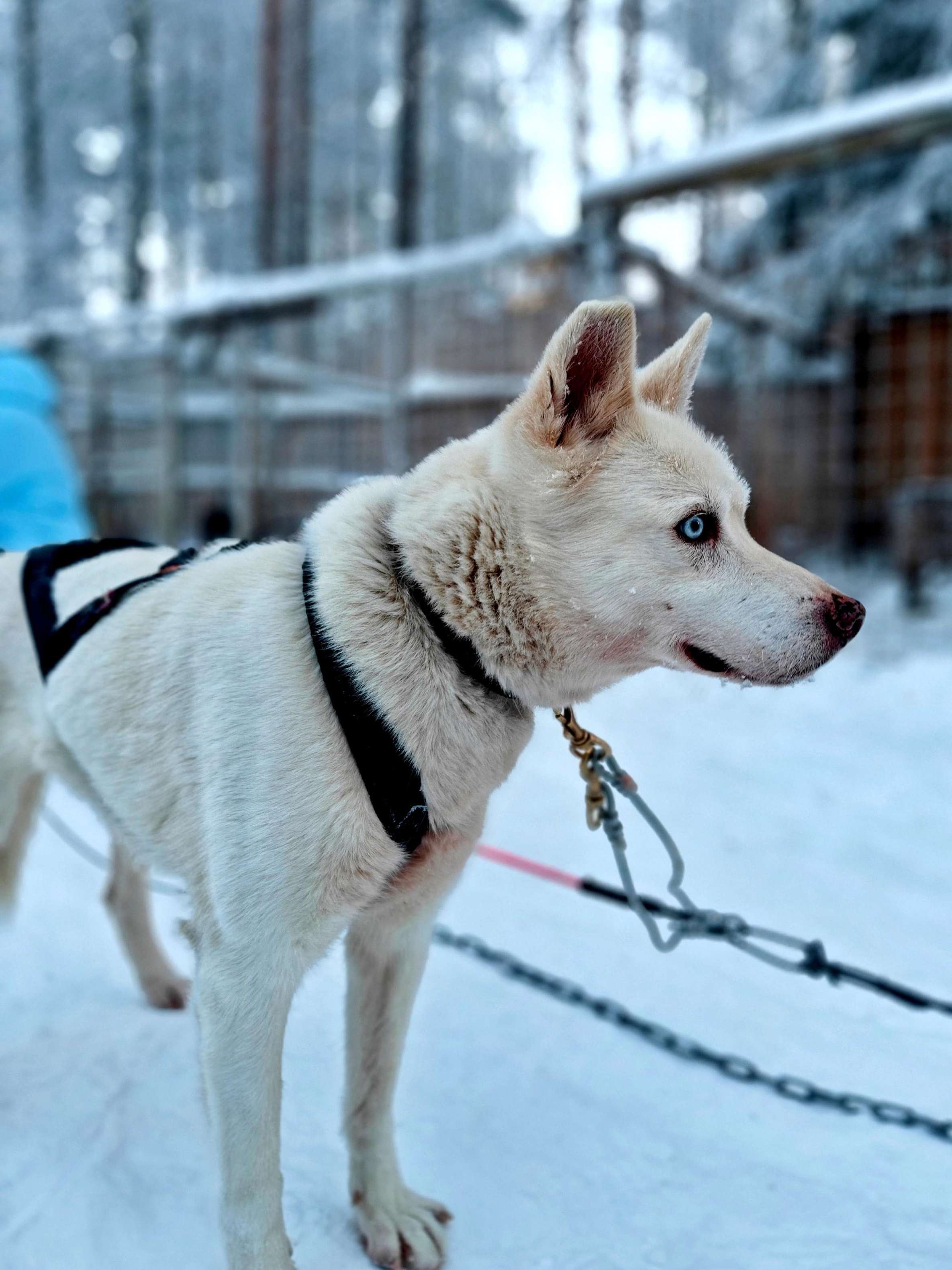
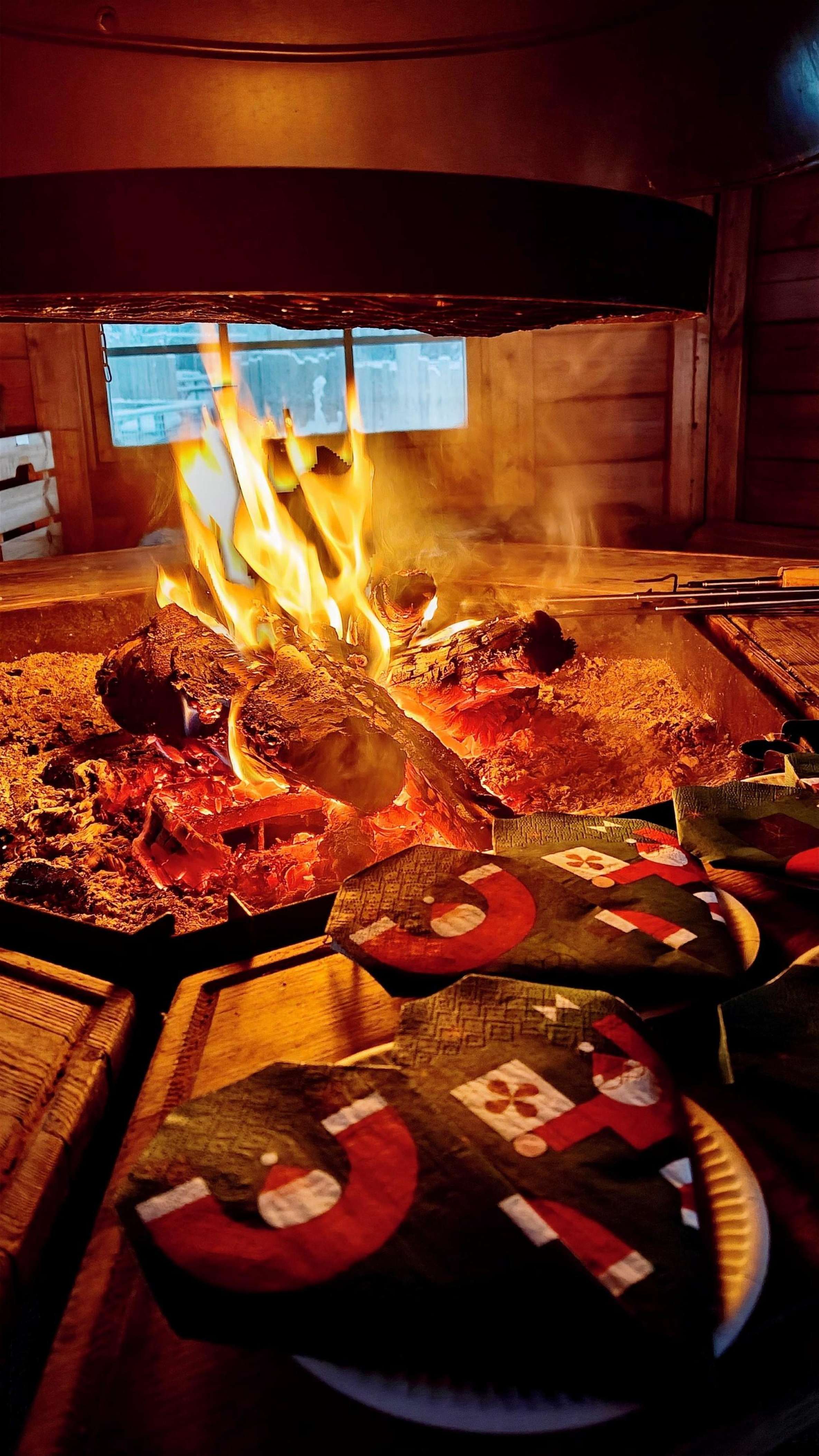
Back at the kennel afterwards there is time to pet the huskies, and most tours end around a fire in a kota with hot berry juice and cookies.
PickupRovaniemiThe minivan returns you to your hotel in Rovaniemi at the end of the program.From this tourStop 2Traditional village· 330 minThe family kennel and taiga trail. After a briefing on leading the sled, you drive your team 10km through snowy forest, then warm up by an open fire with drinks and mushers' stories.From this tourDrop-offRovaniemiThe minivan returns you to your hotel in Rovaniemi at the end of the program.From this tour
Included
Air-conditioned vehicleRound-trip transportation from Rovaniemi10 km self-driven husky sled safariProfessional guide and safety instructionsVisit to a small family-run husky kennelTime with the dogs after the ride
Not included
Personal expenses.No hidden costsNo meeting-point confusion
Comparing the best husky safari 10km options in Rovaniemi
10km on the trail runs about 25 to 45 min
Green marks the lowest price. Prices per person.
Tour
Price
Duration
Pickup
Languages
Best for
Our pick
10 km Authentic Husky Safari in the Taiga, Family Kennel
5.0★ (3)
from $273per person
1 day
yes
English
self-drivers who want a full hour in charge of the team on taiga trails
pickup runs 20 to 45 min each way, plan the rest of your day around it
1. Pick your date early
Choose your day on the tour page and book it. Winter departures in December and January run in a narrow daylight window, so a late-morning start between 10:30 am and 1 pm gives you the most light on the trail.
Pro tipDecember tours around Christmas often sell out months ahead, so lock the date as soon as your flights are set
RecommendedDecember sun sets before 2 pm, so earlier slots mean better photos
2. Choose the right option
Most 10km safaris list the self-drive format as the option to select. Two guests share each sled, one driving and one riding, and you swap at the halfway point. Some safaris also offer a guided reindeer or kennel add-on if you want a fuller day.
ImportantOnly adults aged 18 and over can drive the sled, and anyone under 18 rides as a passenger inside it
3. Check your confirmation
Payment brings an immediate voucher by email. The operator then sends your exact pickup time and meeting point in advance, since most safaris collect you from designated central Rovaniemi hotels by minivan.
Common mistakeStaying at a private rental and assuming the minivan comes to your door, when you will be assigned a central office or hotel lobby instead
4. Be ready at pickup
Wait outside at your assigned spot 5 to 10 minutes before the scheduled time. Drivers wait no more than 5 minutes past schedule, and late arrivals cannot be refunded. The transfer to the kennel takes 20 to 45 minutes each way.
RecommendedDress in warm layers under the overalls the operator lends you, and eat before you go because a 10km run plus transfers takes 4 to 5 hours door to door
5. Know the weather rules
Safaris operate between roughly -30°C and 10°C to protect the dogs, and severe cold can shorten the route or switch self-drive sleds to guide-driven ones. Plans can be cancelled or rescheduled in extreme weather, and most tours refund in full if you cancel up to 24 hours ahead.
Pro tipBook with flexible dates early in your trip so a cold-snapped day can be moved rather than lost
What to know before you book a 10km husky safari in Rovaniemi
tykky snow-covered trees when it dips below -20
Can stop the dayGood to knowGood news
01
ChoosingWhat it is, who it suits, when to go
3
Sharing a sled
Two guests usually share each sled, one driving and one riding, with a swap at the halfway point. On one tour the driver stays the same for the whole run, so check the rules if taking turns matters to you.
Trail time
A 10km run takes roughly 25 to 45 minutes on the trail, and the full tour runs 4 to 5 hours door to door once transfers, gearing up and the briefing are counted. On climbs the dogs do the pulling, but you may step off and jog behind to help.
Staying warm
The moving sled makes the air feel 5 to 10 degrees colder than the thermometer says, and the passenger feels it most, sitting still in the wind. Blankets or reindeer skins over your lap help, so take the driving slot for at least part of the run.
02
BookingHow far ahead, and what happens if plans change
1
Booking ahead
The best slots in December and the Christmas weeks are often gone months in advance, so fix your dates early. The standard policy on these tours lets you cancel up to 24 hours before departure and get a full refund, which makes an early booking low risk.
03
Before you goPapers, health, what to bring
3
Age limitsCan stop the day
Only adults aged 18 and over can drive a sled; anyone younger rides as a passenger. These extended safaris are not suitable for pregnant women, and several exclude children under 4 or under 5, so read the limits before you book for a family.
Warm gear
Most operators lend insulated overalls, boots and often mittens or wool socks on site. Under them, wear a merino or synthetic base layer and a fleece or wool mid-layer, and leave cotton and denim at home.
Cold days
In deep cold around -30 degrees the tours run on, but routes get shortened or self-drive turns into a guide-driven ride to cut exposure. If snow is thin, wheeled carts replace the sleds, so the day goes ahead either way.
04
On the dayWhere to be, when, and how you get there
1
Pickup
Transfers from central Rovaniemi are part of most of these safaris, and the kennels sit 20 to 45 minutes away by minivan. Be waiting at your pickup point 5 to 10 minutes early, because drivers leave soon after the scheduled time.
05
During the tourWhat is expected of you
4
Driving
You stand on the runners, lean into turns and press a metal brake bar with your foot to slow the team. The one rule that matters most: keep both hands on the handlebar and never let go, even if the sled tips over.
After the ride
There is unhurried time after the run to pet, cuddle and photograph the huskies, plus a fire, hot berry juice and cookies or grilled sausages in a warm kota. Let each dog decide; some are cuddly and some keep their distance.
Photos
Cold drains phone batteries fast, so start the day fully charged and keep the phone in an inner pocket with your body heat. A power bank or a hand warmer in a zip-lock bag keeps it alive for the photo stop on the trail.
Tipping
Mushers in Finland earn professional wages and no tip is expected after a safari. If a guide made a long day special, a voluntary tip is appreciated, but nobody will think less of you for leaving it out.
The 10km husky safari in Rovaniemi - a day on the taiga trail
dogs howl before every departure
Ten kilometers of taiga gives a husky safari in Rovaniemi its full length: 25 to 45 minutes on the sled, plus the kennel, the fire and the dogs afterwards. What the price buys, which format fits and what the cold demands are all settled in the chapters ahead.
Rovaniemi· 66.50° N, 25.73° E
If you only remember three things
1
A 10km run means 25 to 45 minutes on the trail; the rest of the tour is transfers, briefing and fire time.
2
Only adults 18 and over may drive; children always ride as passengers.
3
Book 3 to 6 months ahead for Christmas weeks, and cancel free up to 24 hours before.
Is a 10km husky safari in Rovaniemi worth the money?
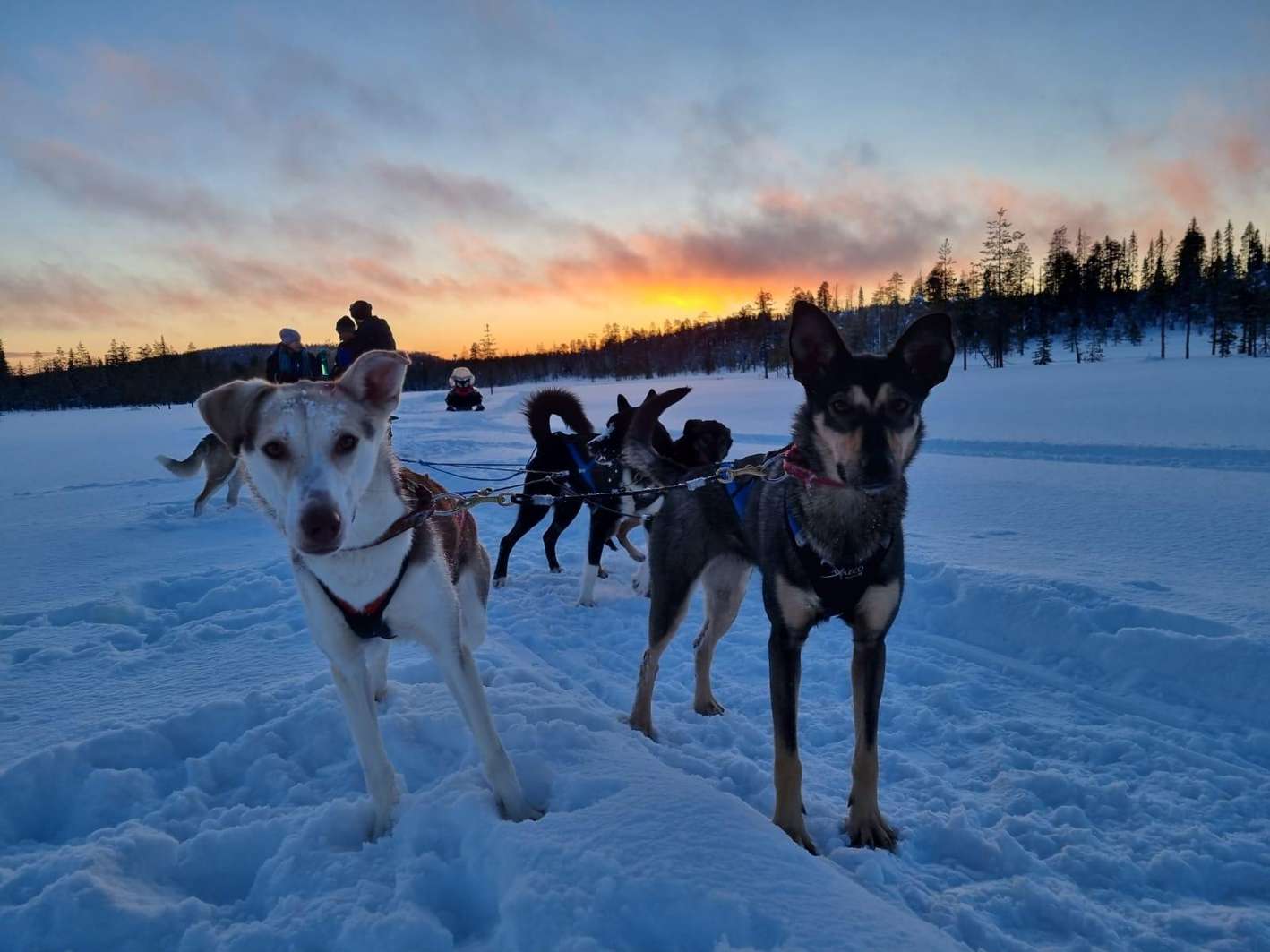
The sound carries across the kennel yard before you see the dogs: a rising chorus of howls, thirty animals impatient for the run. Then the yard goes quiet and the forest takes over.
That silence is what ten kilometers buys. Short kennel loops near Santa Claus Village measure roughly 500 meters to 2 kilometers and are over in under ten minutes, often five.
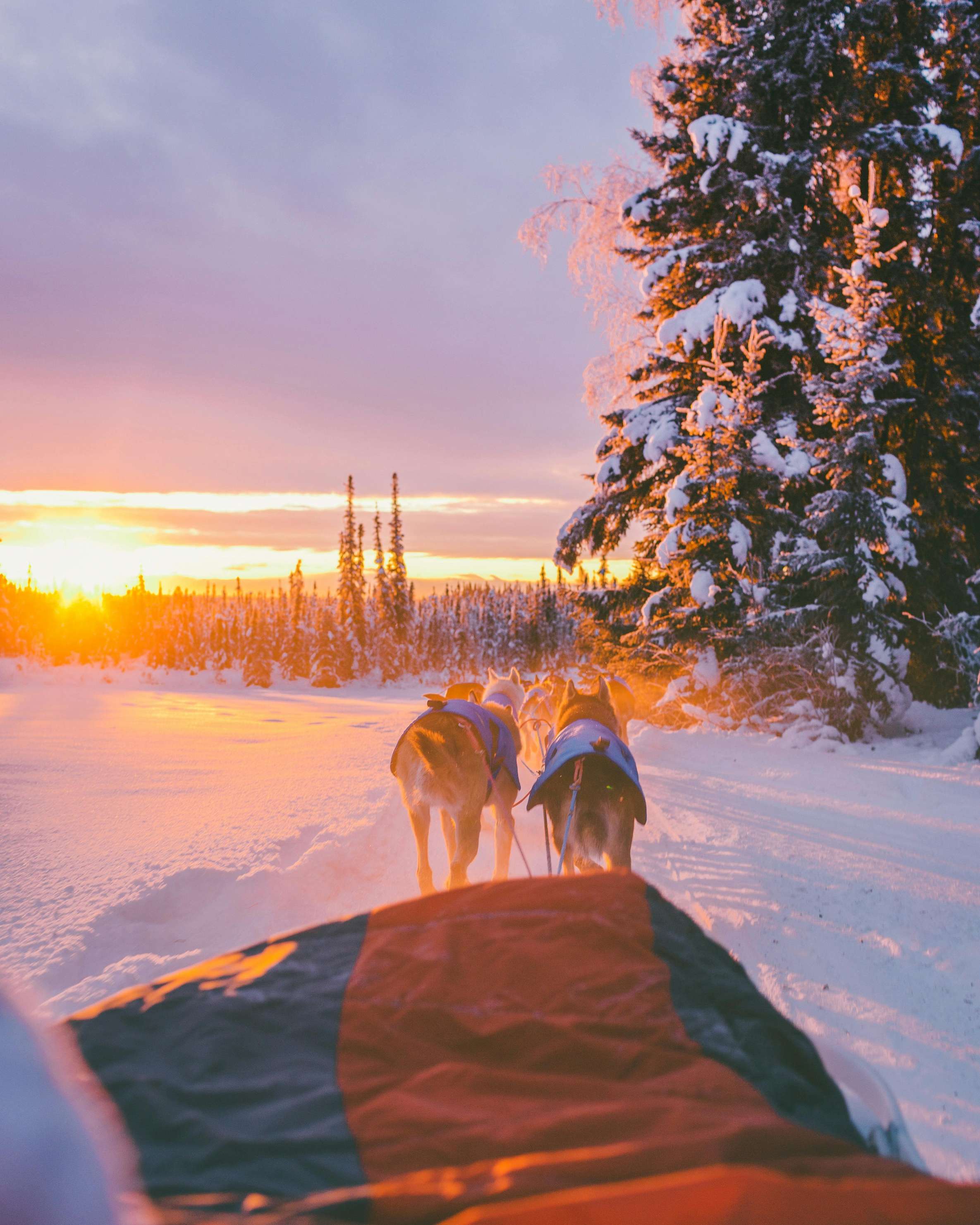
A 10km wilderness trail heads out into the taiga for 30 to 50 minutes of continuous sledding, past the kennel perimeter, past the tourist tracks, into forest where the only sound is runners on snow.
Trail distance and sled time compared
500 mshort loop trail distance
10 kmwilderness trail distance
30-50 minwilderness safari duration
The money works the same way. Short village rides cost the least as a ticket and the most for each minute behind the dogs.
Longer self-driven tours are the reverse: the more trail you book, the less each moving minute costs. People who rode shorter loops often say the run ended just as they found the rhythm.
One caution on the minutes: estimates for the same 10km run differ slightly with the measure.
About 25 to 45 minutes is the usual trail time depending on weather and the dogs' pace, while the 30 to 50 minute figure counts continuous sledding on a wilderness taiga trail, and one tour operator puts its own 6 to 10 km safari at 40 to 55 minutes.
Snow, dog pace and photo stops move all of them, so book for the distance and treat the minutes as a range.
On a 10km safari you have time to stop steering badly, start steering well, and settle into the pace of a team that covers ground at a steady 10 to 15 km/h. That distance is the point.
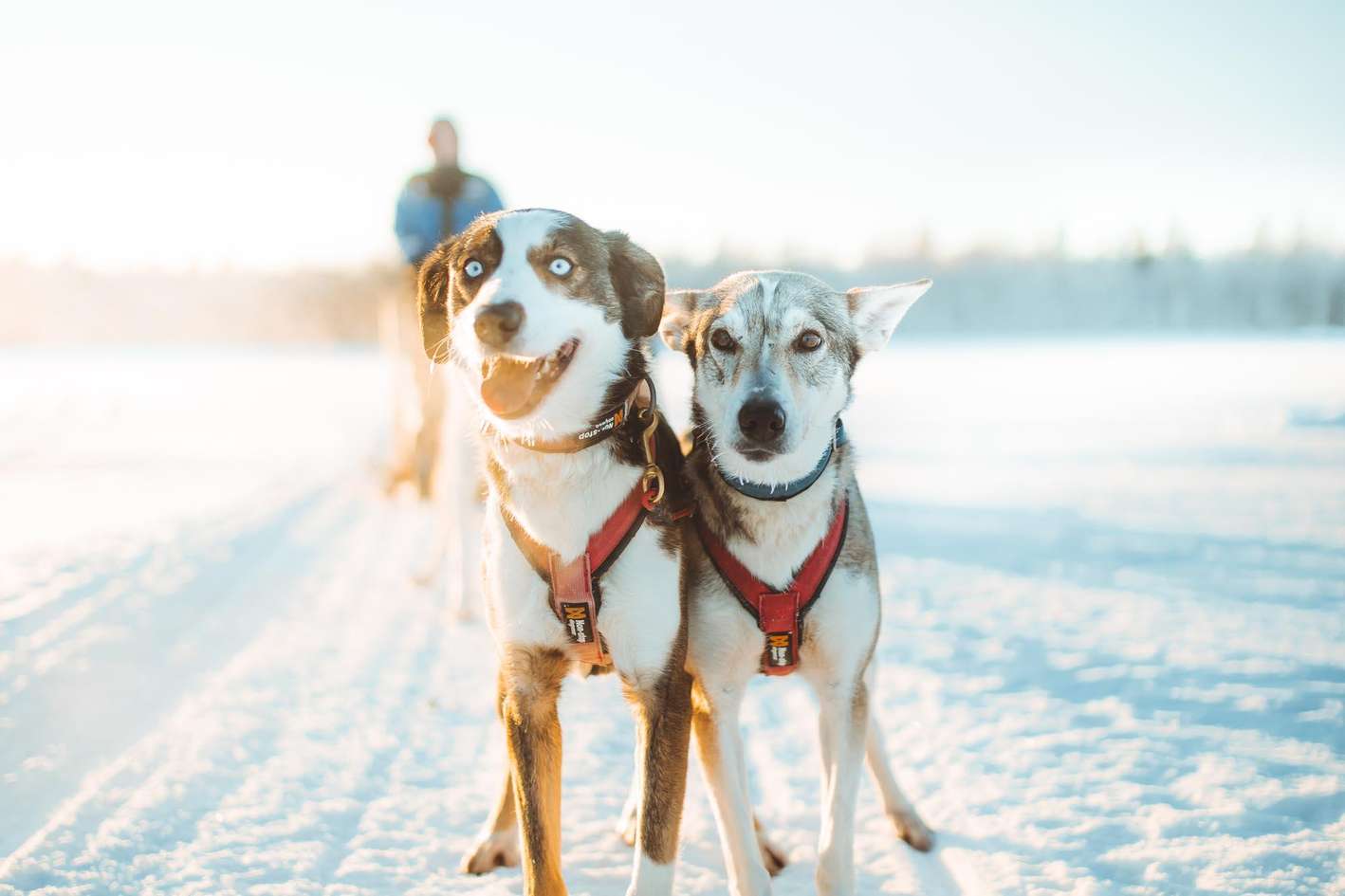
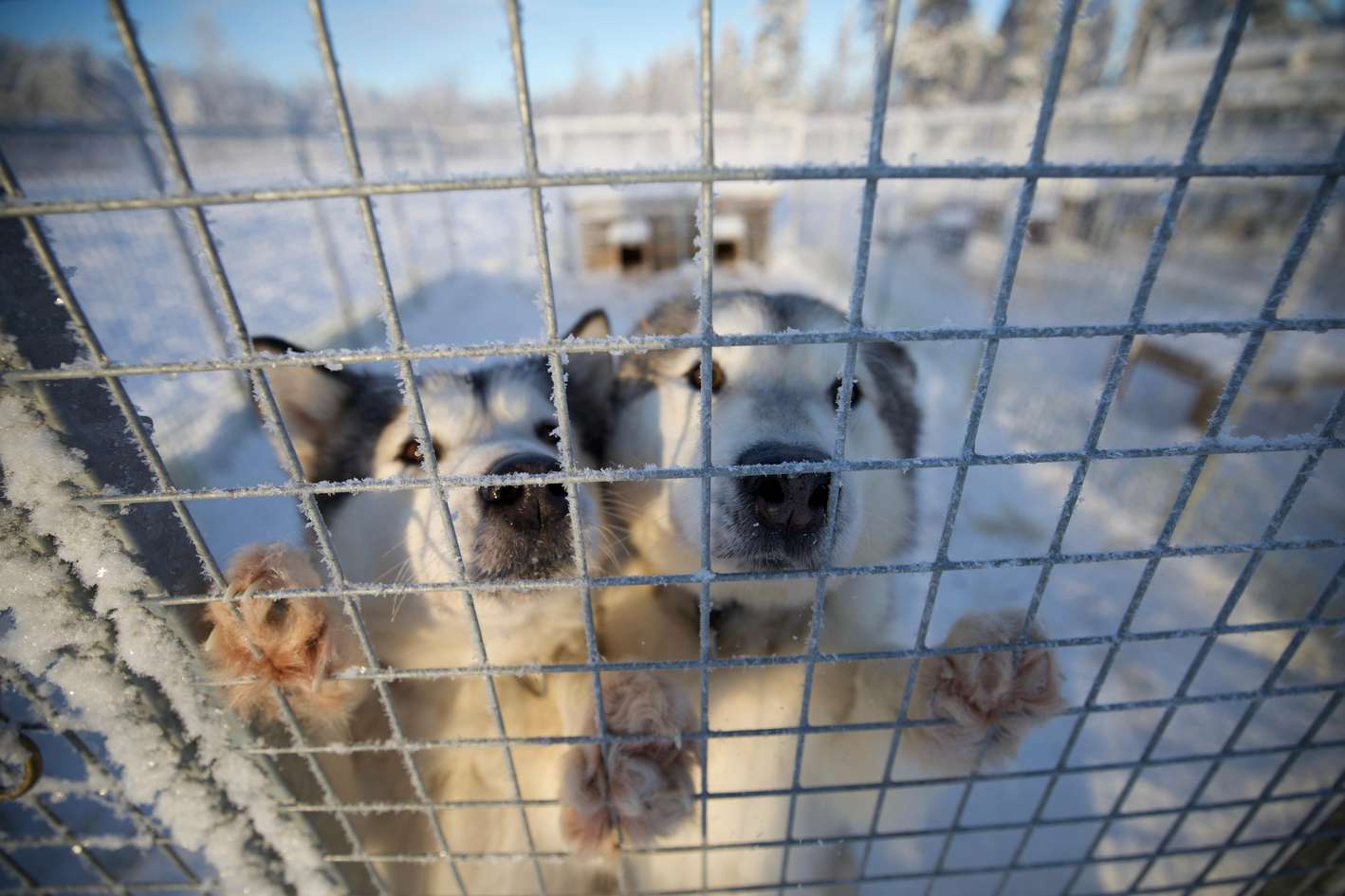
Harnesses come out and the yard erupts. Huskies bark and howl in the corral because running is what they live for, and the harnesses are the trigger. The chorus fades the moment the sled pulls away.
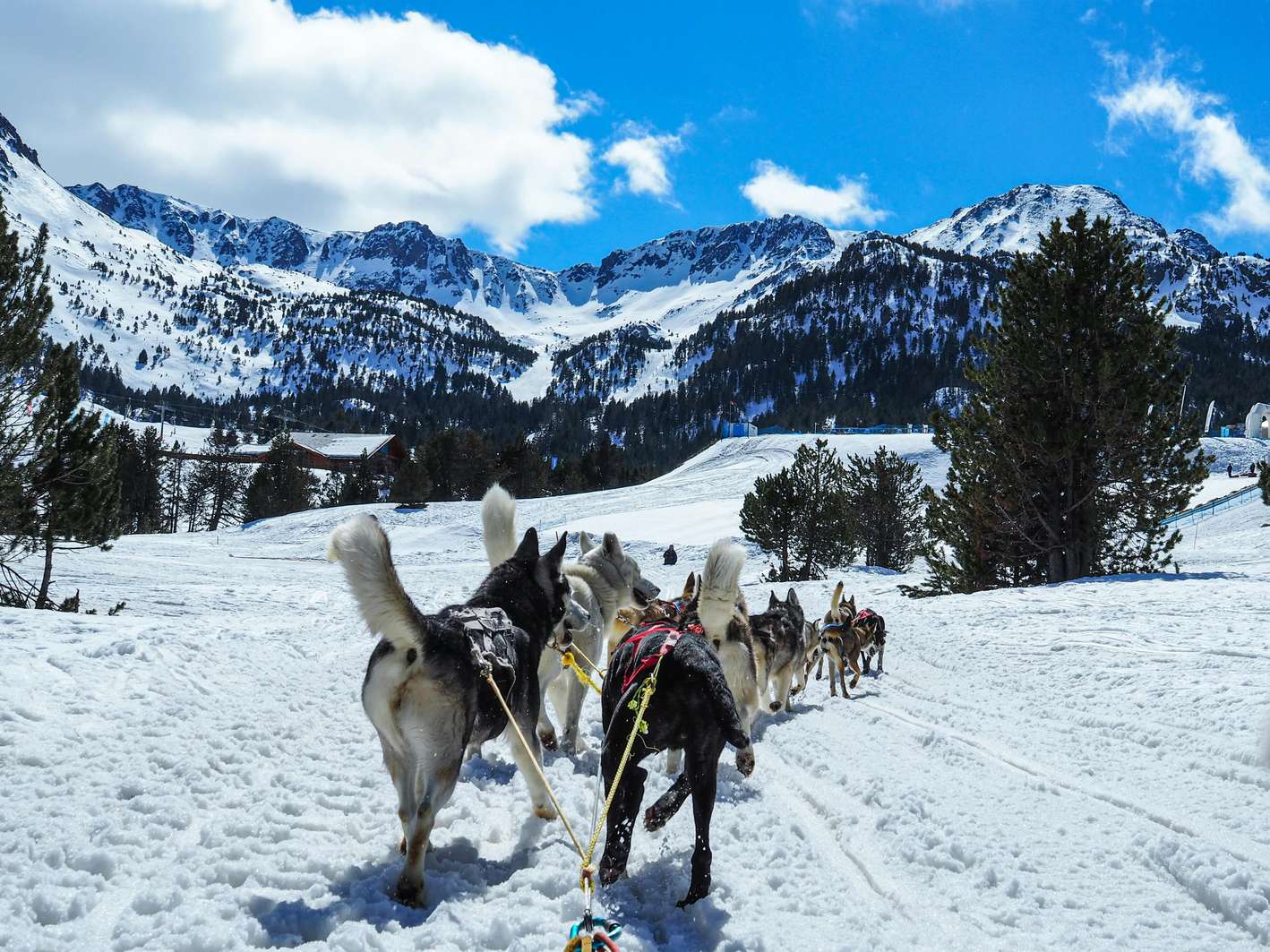
Once on the trail, the pace settles. Teams cruise at 10 to 15 km/h, and can hit 25 to 30 km/h in short bursts on flat ground.
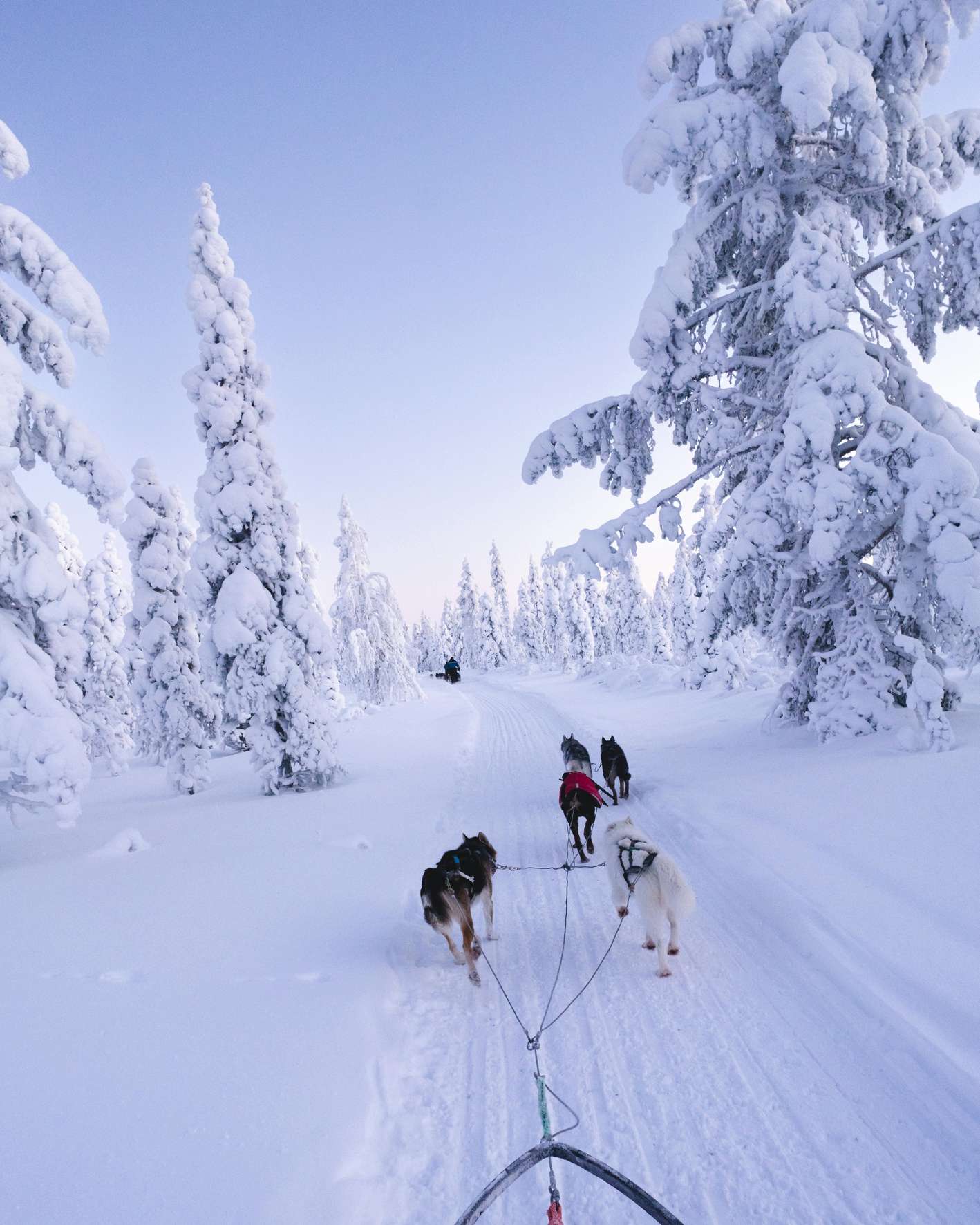
In deep cold, the spruce along the trail turn into thick, sculpted forms the locals call tykky or snow monsters: fog and moisture freeze onto branches below about -20°C, building crusts thick enough to bend the trees.
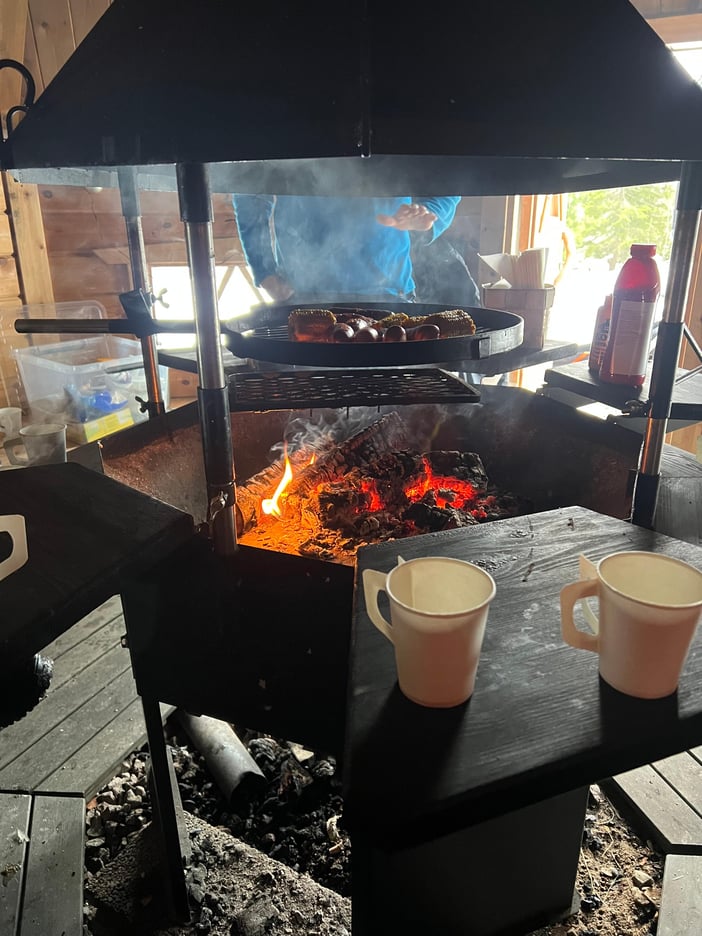
Back at the farm afterwards, most tours gather around a fire in a warm kota hut. Hot berry juice is the standard pour, with tea, coffee or hot chocolate alongside, and grilled sausages, Finnish biscuits or cookies on the side.
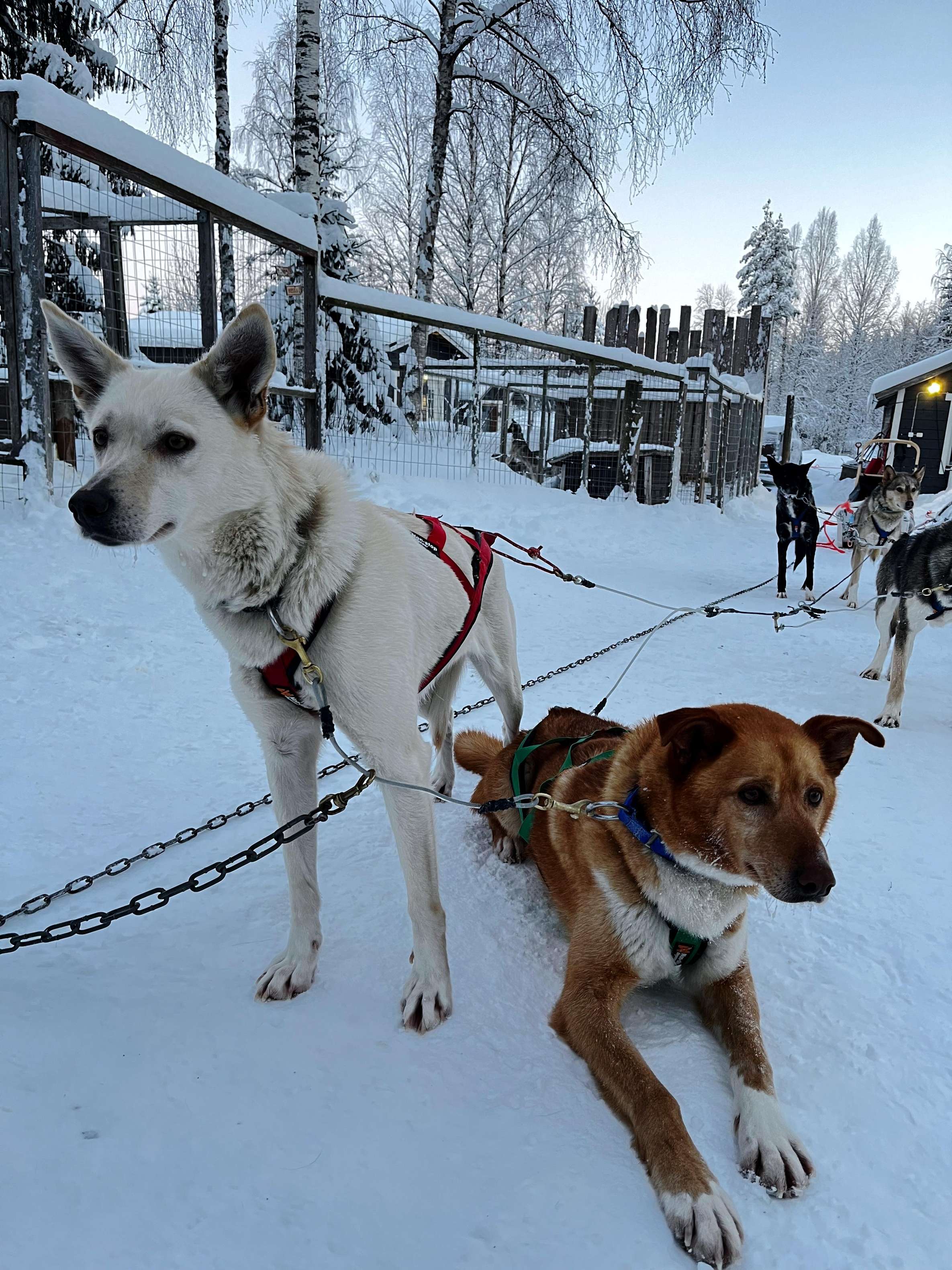
The dogs get their own fan club: tours set aside unhurried time to pet and photograph the huskies and puppies, and some offer a proper 30-minute meet and greet. Dogs are individuals; some want cuddles, some want a nap.
Trail time and tour duration for a 10 km husky run
25-45 mintime on the sled trail
10 kmtrail distance
4-5 hourstotal tour door to door
Expect the whole thing to run four to five hours door to door. The time on the sled is the vivid part; the fire and the dogs are the part people talk about afterwards.
Tour for this
10 km Authentic Husky Safari in the Taiga, Family Kennel5.0★ (3) · 1 day · Hotel pickup · Free cancellation
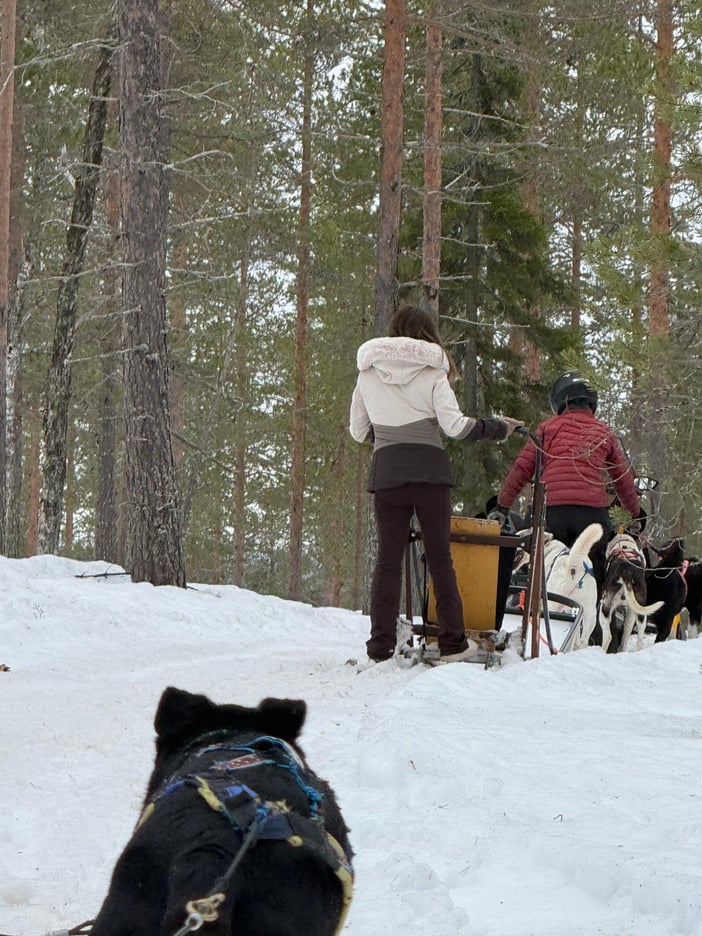
Less than people fear. The dogs do the pulling; the driver stands on the runners, holds the handlebar with both hands and steers by leaning weight onto the inside runner through turns. Most people of average fitness manage comfortably, and snowmobiling asks more of the body than a sled does.
The skills are simple to describe. The brake is a metal bar between the runners that digs into the snow when pressed down with one foot. Brake before a turn, not in the middle of it, and keep a safe gap behind the sled ahead.
On climbs, the dogs need help: kick like on a scooter, or step off and jog behind pushing. And the one rule guides repeat until it sticks: never let go of the sled, even if it tips over.
How the 5 km and longer rides compare
5 kmshorter trail distance
10-15 min5 km sled time
about 45 minlonger sled time
3/5longer ride effort guide
Distance changes the feel. A 5km self-drive can be a short taste, 10 to 15 minutes on the runners, and some riders wished it were longer. Ten kilometers gives you about 45 minutes of managing the sled, which is the bigger stamina commitment and the better teacher.
Two adults sharing a sled swap places at the halfway point, so you both drive and both rest. On one tour, the guide-driven 10km run means a professional handles all of it while you sit back, if your arms vote against the plan.
Tour for this
Rovaniemi: Husky Safari with Transfers & BBQ4.9★ (220) · 4 hours · Hotel pickup · Free cancellation
Three formats, and they give different days. A dedicated wilderness 10km safari runs 5 to 10 km on quiet private forest trails, often capped at small groups of 8 to 16 guests, and specialist standalone husky kennels collect the better reviews. Multi-activity packages pairing reindeer with huskies tend to draw more mixed reactions.
Combos cost less than booking snowmobiling, huskies and reindeer separately, which makes them tempting. The trade is trail time: village combo packages typically run 400- to 500-meter introductory tracks, a loop you finish while still learning the brake.
If the trail is the reason you booked, a specialist safari protects it. If three activities matter more than one long one, the combo is the honest choice. A self-drive tour costs roughly double a short passenger ride, so the premium is real, and it buys the driver's seat.
Prefer to sit? One operator offers a musher-driven 10km tour where a guide controls the sled and team while passengers relax. Traveling alone also works: solo guests join two-person sled departures at the standard per-person rate, often end up with a sled of their own, and pay no single supplement.
How to choose a 10km husky safari
Check
Why it matters
Our pick
Trail distance on the sled
Combos can hide 500 m loops behind a long advertised day
Choose a 1, 5, 10 or 20 km ride, with 10 km the genuine wilderness option
Self-drive or guide-driven
Decides whether you learn to mush or just ride
Self-driving on 10 km and 20 km rides only, so the long trail means the driver's seat
Transfers included
Wilderness kennels sit far beyond the bus routes
Pickup and drop-off from the operator's central Rovaniemi office
Winter clothing
Arctic cold punishes thin layers
Overalls, boots and gloves provided, plus hot drinks and Finnish snacks
Group size and welfare
Small groups mean less stress on the dogs and more guide time
Traditional husky farm visit with guide stories about training and breeding
The multi-distance taiga safari, Rovaniemi: Husky Safari with 1, 5, 10 & 20 KM Options, is the flexible one: pick the 10km self-drive on the day, with a farm visit, winter clothes and hot blueberry juice folded in.
The calendar decides whether you get the full ten kilometers or a shortened track. January through mid-March is the sweet spot for 5 to 10 km routes: deep, firm snow and groomed trails that hold a full-length run.
Early season is thinner. November and December snow can be patchy, restricting operators to tracks of around 3 km or wheeled carts until permanent snow settles. By late March the thaw softens trails into slush and ice, and operators shorten distances to match.
Late March still delivers nearly 12 hours of light and milder days around -1.1°C, so a shortened run under bright skies beats a rushed one in the dark.
December daylight is the other constraint. Rovaniemi gets roughly four and a half to eight hours of light in midwinter, with sunrise near 10:51 am and sunset near 1:34 pm in December.
For daylight on the trail, aim for a late-morning or midday departure, roughly 10:30 am to 1 pm in December and 10:30 am to 2 pm in January.
Dog sledding conditions and visitor traffic by month in Rovaniemi
January: 5 out of 5 for how busy it gets. Peak winter crowds experience firm snow and well-established forest tracks ideal for mid-distance dog sledding in sub-zero cold.
HighestDec to Mar
LowestApr to Nov
Darker: a higher how busy it gets score, out of 5
Tap a month to read it.
December: snow on 14.6 days. Visitor numbers surge for the holidays with building snow cover, though routes are typically restricted to shorter distances.
HighestDec to Jan11.2 to 14.6 days
In betweenFeb to Apr, Oct to Nov5.2 to 9.6 days
LowestMay to Sep0 to 2.6 days
Darker months: higher, from 0 to 14.6 days
Tap a month to read it.
July brings peak summer warmth with very few visitors, and dog sledding tours do not run.
HighestJun to Sep12.8 to 21 °C
In betweenApr to May, Oct3.9 to 11.4 °C
LowestNov to Mar-6.7 to -1.1 °C
Darker months: higher, from -6.7 to 21 °C
Tap a month to read it.
The month figures tell the same story from three angles: January to March pair reliable snow with peak crowds, December pairs the heaviest snowfall with the shortest days.
Before the snow flies, from mid-September to mid-November, teams run on wheeled carts as part of their training, when temperatures sit at 10°C or colder. A winter departure date only sets the odds; one operator makes its sled distance dependent on safe snow and ice on the day.
Tour for this
Rovaniemi: Husky Safari with 1, 5, 10 & 20 KM Options4.2★ (842) · 3.5 hours · Free cancellation
The numbers decide this one for you. Peak December and Christmas tours typically sell out 3 to 6 months in advance, and slots for mid-December through early January are routinely gone by September, sometimes by summer.
Waiting until you land is the gamble. Leaving the booking until arrival works only in the slowest periods, when a walk-in or a ticket search around town occasionally catches an unsold spot. Over Christmas week, hoping is not a plan.
The fix costs nothing: reserve before you fly. Most winter safaris let you cancel up to 24 hours in advance for a full refund, so booking early commits you to nothing you cannot undo, and leaves the long trail available when you want it.
Tour for this
Rovaniemi: Drive Your Own Husky Team (5-8 km)4.4★ (460) · 5 hours · Hotel pickup · Free cancellation
Wilderness kennels sit 20 to 70 kilometers outside Rovaniemi, well past where the municipal buses stop. Most safaris solve this with shared minivan transfers from central hotels and Santa Claus Village, 20 to 45 minutes each way, up to an hour for the most secluded farms.
The pickup has its own etiquette. Exact times arrive in advance, guests wait 5 to 10 minutes early, and drivers leave no more than 5 minutes after schedule. Late arrivals generally forfeit the tour. If you stay at a private rental, expect a meeting point at the operator's office or the nearest hotel lobby.
Going under your own steam takes a rental car or taxi, 15 to 20 minutes from the center. Rovaniemi rentals come fitted with studded winter tyres, which Finnish law requires between November and March.
Clear all windows of snow and ice, switch off interior air circulation to stop fogging, and plan longer braking distances on snow. Keep warm clothing in the car; help can be slow out there.
Budget the whole morning or afternoon: about 4 to 5 hours door to door for a 10km run, including the transfer, gear-up, roughly ten minutes of briefing and 40 to 55 minutes on the trail.
Time needed for a 10 km safari
4 to 5 hourstotal door-to-door duration
40 to 55 mintime sledding on the trail
45 minone-way transfer from centre
The tour that hands you none of this logistics is Rovaniemi: Husky Safari with Transfers & BBQ: pickup from Napapiiri or central Rovaniemi, transfers both ways, warm overalls and boots provided, a 6 to 10 km self-driven safari with a photo stop, then hot drinks by the fire in a kota.
Driving yourself
Rent a car in RovaniemiCompare cars from the rental companies in one search, then pick yours.
The kennel dresses you for the worst of it. Most operators hand out insulated thermal overalls and winter boots, and many add thick mittens and woolen socks on top.
At least one operator makes its overalls mandatory; most let you wear your own windproof ski gear instead, and around -15°C plenty of travelers simply pull the provided suit over their own jacket and trousers.
What nobody provides is what sits underneath, and it matters most. The base layer is merino wool or synthetic, top and leggings, with a fleece or wool mid-layer over it. Cotton and denim stay at the hotel: they hold moisture and turn cold against skin.
Sitting passengers feel this hardest, since the moving sled adds a windchill that makes the air feel 5 to 10°C colder than it is, while the driver stays warmer through effort. Blankets or reindeer skins over the lap do real work in the basket.
Winter husky tour clothing and layers
Thermal overall (provided)Insulated one-piece suit provided by most kennels to wear over your clothes as a windproof, heat-trapping Arctic outer shell.
Winter boots (provided)Heavily insulated Arctic snow boots supplied on site to keep feet dry and warm on frozen trails; sized to fit over thick socks.
Merino wool base layerLong-sleeved top and leggings in wool or synthetic fabric; avoid cotton, which absorbs moisture and cools down rapidly against skin.
Fleece or wool mid-layerA fleece jacket or wool sweater with warm trousers to trap heat under the overall; avoid rigid jeans, which restrict circulation.
Warm beanie and neck gaiterA wind-blocking hat covering ears and a fleece buff or balaclava to shield exposed facial skin from intense sled wind chill.
Wool socksOne pair of thick thermal wool socks inside boots; packing tight double layers compresses air space and makes feet colder.
Thin glove linersLightweight inner gloves worn inside heavy operator mittens so fingers stay warm when handling a phone or camera on the sled.
The phone needs its own plan. A charged phone lives in an inner coat pocket, riding on body heat, ideally in flight mode so it stops searching for signal.
A power bank in the same pocket tops it up, and a hand warmer keeps spare camera batteries alive in a zip-lock bag. One thing not to do: never plug in an ice-cold phone, since charging a frozen battery can damage it for good.
One fewer thing to think about at the end: guides and mushers in Finland are paid professional wages and tipping is never expected, though a voluntary tip for an exceptional guide on a long safari is appreciated.
The rules here are firm and worth knowing before anyone promises a child the reins. Driving a husky sled is for adults 18 and over; anyone younger rides as a passenger inside the sled.
No height requirement exists, but passenger age minimums vary by tour, with some excluding children under 2 or setting the bar at 4 years.
Ten-kilometer safaris add their own cold-exposure logic: children under 12 must be accompanied by a full-paying adult, and many wilderness operators simply do not take toddlers on long runs, so families with infants should check the farm's rules.
A standard sled carries at most two adults and up to two children, and some family setups stretch to three kids. Small passengers sit low in the basket, forward-facing, wrapped in blankets and sheltered from the wind.
Sled weights have limits too. Combined limits for a self-drive pair range from 160 kg to 250 kg depending on the operator, with individual caps usually around 120 to 130 kg. Pregnant travelers and people with back problems sit these tours out, since the ride is bumpy, fast and physically demanding.
The one fact that can stop the visit
Self-drive safaris are not suitable for pregnant women or people with back problems, and children always ride as passengers Book a guide-driven ride instead if you want the trail without the driving, and plan the driving role for an adult in your group Drivers must be 18 or older Anyone under 18 sits in the sled while an adult drives, on every tour that restricts mushing by age
The single question worth confirming with the tour operator before booking is the minimum age for your youngest, because that rule can genuinely stop the visit.
Cold does not cancel a husky safari; it reshapes it. Tours run strictly between -30°C and 10°C for the dogs' sake. Around -28°C to -30°C, operators shorten runs and often convert self-drive tours into shortened guide-driven circuits.
Below -30°C, self-drive is suspended and guests choose between a full refund and a shortened musher-driven ride; at -35°C or colder, tours are cancelled outright.
Snow, not cold, is the more common spoiler. Thin or slushy trails bring the same practical answer: swap sleds for wheeled carts or cut the distance. Either way the dogs go out, which is why a snowy morning rarely costs you the day.
Distance also flexes for smaller reasons: fresh snow slows the teams, hills wind the trail shorter, and photo stops eat meters. A GPS track a little under the booked figure reflects conditions; the dogs still ran the trail.
What happens if the weather turns
If this happens
What happens then
Temperatures drop below the -30°C welfare limit
Self-drive is suspended: choose a full refund or a shortened guide-driven ride, with cancellation outright at -35°C or colder
Snow is thin, slushy or melting
The run goes ahead on wheeled carts or over a shortened distance, and the day is rarely lost
You cancel 24 hours or more ahead
Full refund under the standard policy on most winter safaris
Extreme weather closes the trail on the day
The operator cancels or reschedules the tour, with a refund or a new date
Your own plans get the same flexibility. Most tours allow cancellation up to 24 hours in advance for a full refund, which covers a missed flight or a changed mind, and operators reschedule or refund when extreme weather closes the trail.
The dogs' welfare sets the limits, and every option on the list keeps you either sledding or whole.
The honest arithmetic first: a 10km safari takes about five hours door to door, which leaves room for one short tour afterwards, such as a late-afternoon snowmobile departure. Plan the husky run as the day's main event and the rest as garnish.
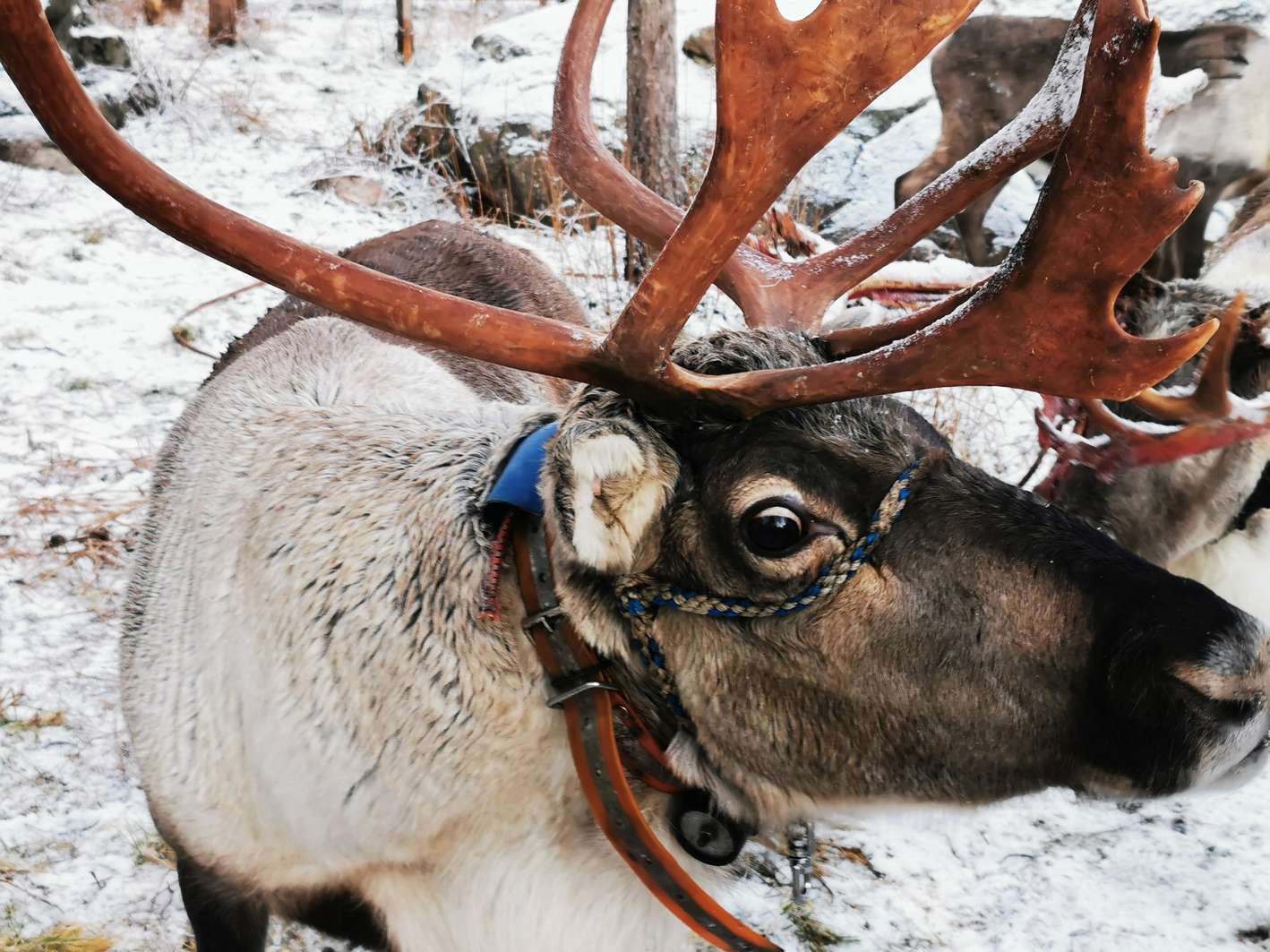
The easy pairings sit close by. Reindeer sleigh rides and farm visits combine with huskies on the same day, and reindeer travel at a walking pace of 3 to 6 km/h wrapped in blankets, a calm counterpoint to the sled.
Santa Claus Village costs nothing to enter and connects to the center by bus Line 8 or the Santa's Express in about 30 minutes; the husky and reindeer rides there are the paid extras.
Families can fold in Snowman World's ice slides or the indoor SantaPark cavern, and the Arktikum science museum in town covers Sámi culture and Arctic history with interactive exhibits and good views over the river.
If one thing has to give, give the second animal activity and keep the museum. A long sled run, a reindeer stop and an unhurried evening fill a winter day in Rovaniemi without anyone checking a watch.
The welfare question has a practical test. There is no official Finnish certificate every kennel holds, so the signs are behavioral and physical. Happy sled dogs are vocal and excited before a run; quiet, subdued animals are the warning.
Look for insulated individual shelters raised off the ground, ask how many runs a dog does per day and how rest rotates, and ask directly about retirement plans, since reputable operators have clear policies for on-site care or rehoming.
Kennels confident in their care often run standalone farm visits where you can inspect everything without booking a sled.
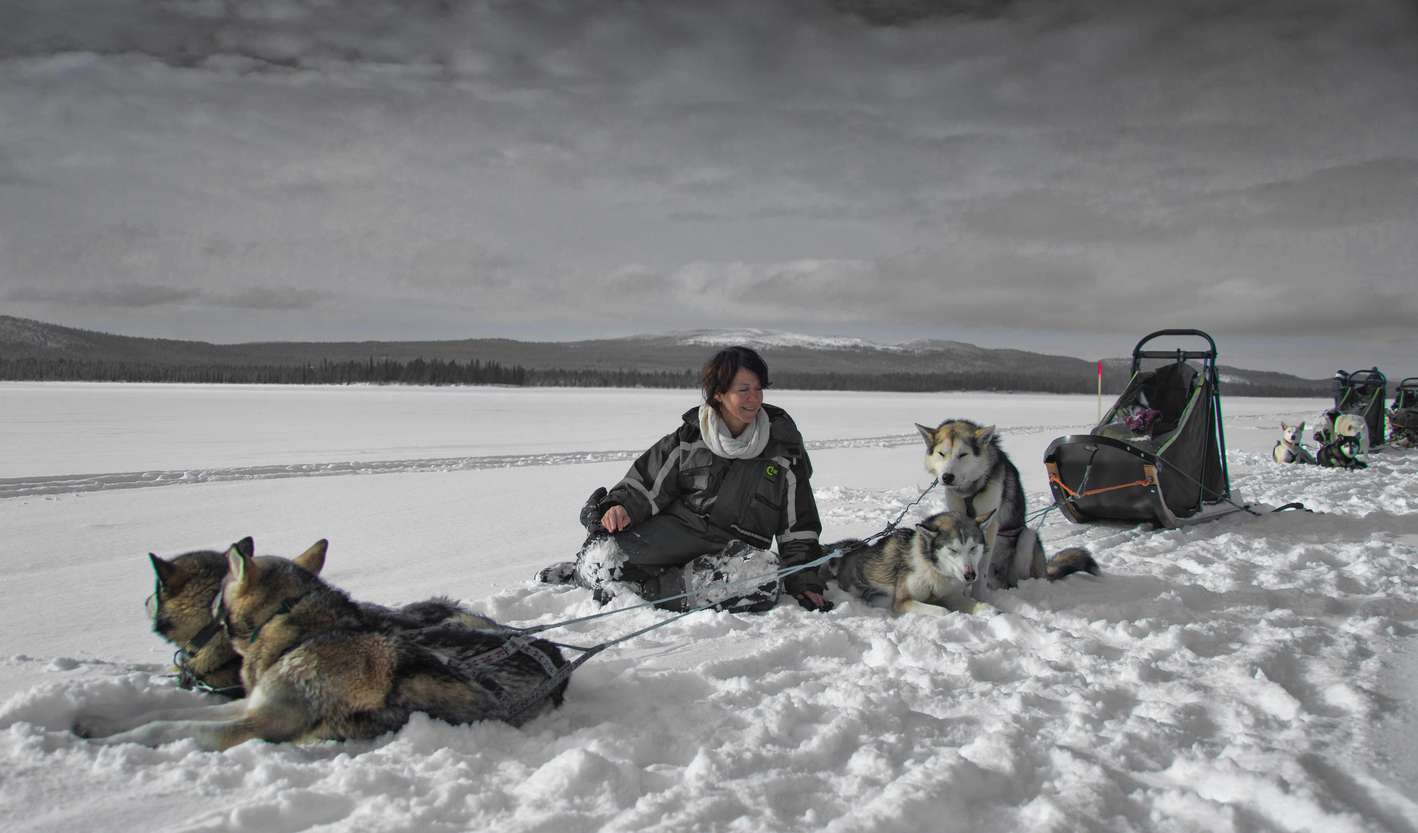
Dogs sleeping outside in the snow are not neglected. Arctic huskies carry a double coat that traps warm air and sheds water, and they curl into tight balls with tails over their noses, holding body heat down to about minus 50°C. In deep cold they sleep in groups to share warmth.
Around the dogs, follow the handlers: no touching before the tour, no hands inside fences, no feeding, and leave alone any dog wearing a bright jacket, the shy ones. Let a dog sniff you first, pet low and slow, and skip the selfies in its face.
What people wrongly assume
MythHusky sledding is an ancient Sámi tradition in Lapland
Reality
It was introduced as modern tourism entertainment rather than an indigenous cultural practice, though the dogs themselves are working Arctic breeds with long histories
MythDogs kept outdoors year-round must be freezing
Reality
Their double coats, curled sleeping posture and shared body heat keep them comfortable far below the temperatures that send humans indoors
MythA GPS reading under the booked distance means you were shortchanged
Reality
Fresh snow, hilly trails and photo stops all shorten the measured route; operators adjust distance for the dogs' comfort and safety
The best souvenir of the day costs nothing: watch the pack in the yard. Dogs that howl together before the harnesses go on are telling you exactly how they feel about the run.
Amazing experience, felt close and familiar. No rush, a full hour of self-driving the husky sled. Dave, the owner, explains everything and his team keeps asking how they can help. Totally worth it.
A 10km husky safari is the format for travelers who want the sled run to be the day, not a garnish.
Thirty to fifty minutes on the trail, a real self-drive education, and the quiet of the taiga past the kennel fences justify the premium over the short loops. Pick January to mid-March, book months ahead for the holidays, and let the operator drive you there.
Go ifYou want 30 to 50 minutes on the sled, not a 500-meter loopYou want to learn to drive a team, with a driver swap halfwayYou are booking January through mid-March, when full trails hold
Skip ifYou are pregnant or have back problems, since the ride is bumpy and demandingYou have an animal allergy, which dual-farm and kennel tours rule outYou only have one spare hour, where a short village ride fits better
Our pick to book
ROVRovaniemi
TRATraditional village
Length1 day
At Traditional village5 h 30 min
PickupHotel pickup
Rating5.0★
10 km Authentic Husky Safari in the Taiga, Family Kennel$273/personCheck availability →Free cancellation
10km husky safari Rovaniemi - FAQ
swap drivers halfway on most sleds
Quick answers on trail time, driving rules, and how the cold changes the plan.
Rovaniemi2026
The dogs howl the moment the harnesses come out, then silence under the pines. Book for late morning: December daylight fades fast.
How long do you actually spend on the sled on a 10km husky safari?
A 10-kilometer run takes roughly 25 to 45 minutes on the trail, depending on snow conditions and the pace of your dogs. Some operators quote 40 to 55 minutes for their longer routes.
Expect the sledding itself to be less than half of a door-to-door day that also includes transfers, gearing up, and a fireside break.
Is a 10km safari worth it compared with a shorter ride?
Short rides give you the cheapest ticket but the highest cost per minute behind the dogs.
On a 10km trail you get 25 minutes or more of continuous sledding, enough time to settle into steering and braking instead of finishing just as the ride begins. The loop around Santa Claus Village lasts a few minutes by comparison.
How hard is it to drive a husky sled yourself?
Most people with average fitness manage it, because the dogs do the pulling. You stand on the runners, lean into turns, and press a metal brake bar with your foot to slow down.
The real stamina test comes on uphill sections, where you kick like on a scooter or hop off and jog alongside while holding the handlebar.
What is the most important rule when driving the sled?
Never let go of the handlebar, even if the sled tips over. Keep both hands on it, brake before you enter a turn rather than in the middle of it, and hold the brake with both feet for the whole stop.
Can two of us swap driving halfway through?
Usually, yes. On most self-drive safaris two guests share a sled, one driving while the other rides, and you switch at the midpoint. A few operators fix the driver for the whole safari for safety reasons, so it is worth a check before you book.
Can my teenager drive the sled while I ride?
On tours that set an age limit, only adults aged 18 and older may drive. Anyone younger rides as a passenger inside the sled, wrapped in blankets, while an adult holds the handlebar.
What happens if the weather turns extremely cold?
Operators watch the forecast closely. Between about -28°C and -30°C they often shorten the route or turn self-drive tours into guide-driven circuits. Colder than that, they suspend self-drive runs and offer you a refund or a shortened ride instead.
Do I get to pet the huskies after the ride?
Most tours build in unhurried time afterwards to meet, cuddle, and photograph the dogs, some with a dedicated half-hour session. Wait for the guide before petting or feeding, and leave any dog wearing a bright jacket alone, as those are the shy ones.
Why did my friend's 10km run feel shorter than mine?
Fresh snow slows the dogs down, packed trails let them fly, and hilly forest covers less ground than flat open terrain. Team size, sled load, and photo stops all shift the distance too, so the same route can take noticeably different times.
Can I do a 10km safari without driving at all?
Yes. One tour operator runs a musher-driven 10km safari where a professional guide steers the sled and the dog team while you sit back and take in the forest.
Is tipping the musher expected?
No. Guides and mushers in Finland earn professional wages and do not expect tips, and nobody thinks less of you for skipping it. A voluntary tip for exceptional service on a long safari is always appreciated.
What if I need to cancel?
Most tours let you cancel up to 24 hours in advance for a full refund. If extreme weather forces the operator to cancel, you are entitled to your money back or a rescheduled slot.